



City Gas Pipeline Pressure and Leak Monitoring

Pressure and methane leak readings from a gas network in North China. Alarms reach the administrator on the station cycle, and field inspection load falls by 70 percent.

IndustryGas utility
LocationNorth China
MeasuredPressure · Methane leakage · Ammonia
Instruments5 models on one network

Overview

A gas utility in North China operates a distribution network with old and new equipment side by side. Field teams walked the route on a fixed schedule, reading pressure at each station and checking joints by smell or by hand-held detector. Ageing pipe and mixed protocols made the rounds slower each year.

The utility wanted pressure and gas concentration watched together, reported to a control room, and alarms pushed to the administrator without waiting for a technician to arrive. Existing devices had to keep working. Outdoor cabinets and hazardous zones had to be served by certified terminals.

Challenges

Rounds on a fixed schedule

Field teams walked the route at set intervals, reading pressure at each station and checking joints by smell or with a hand-held detector.

Ageing pipe and mixed protocols

Old and new equipment sit side by side on the same network, and every point added made the rounds slower each year.

Hazardous and outdoor points

Outdoor cabinets and hazardous zones need certified terminals, and an alarm has to reach the administrator without waiting for a technician.

Solution

Each terminal sends its reading over the WES-WIO wireless terminal protocol to the edge gateway. The gateway also collects Modbus RTU and TCP devices left over from earlier upgrades, so old instruments and new ones share one path. Uplink leaves the site in a single stream.

Thresholds and reporting frequency are set per station on the WES device management platform. A leak or a pressure excursion raises an alarm at once and pushes it to the administrator. Engineers on duty see the trend, the limit and the location code on one screen.
1

Measured points

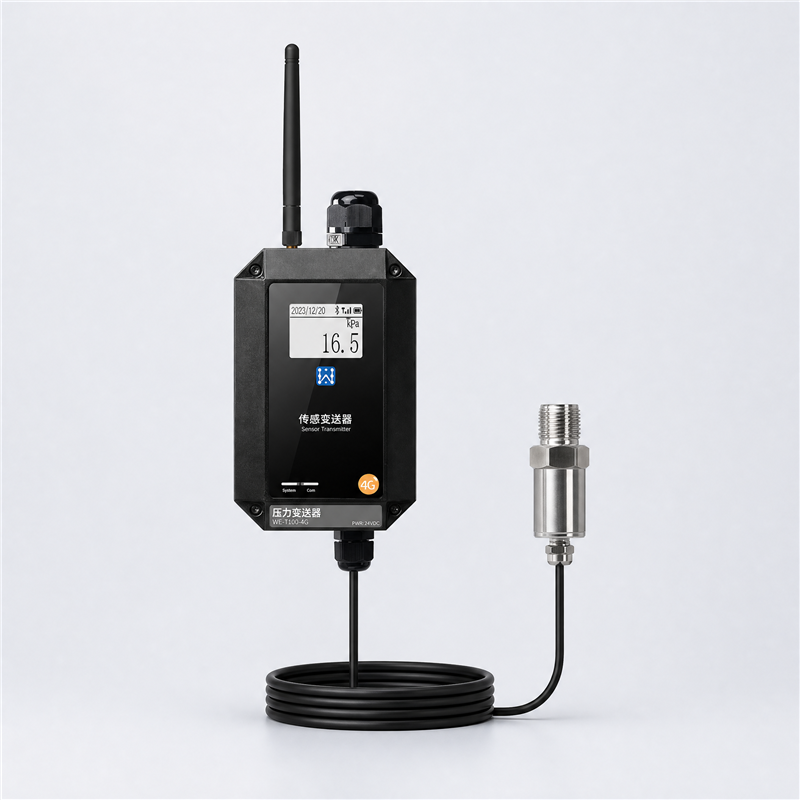
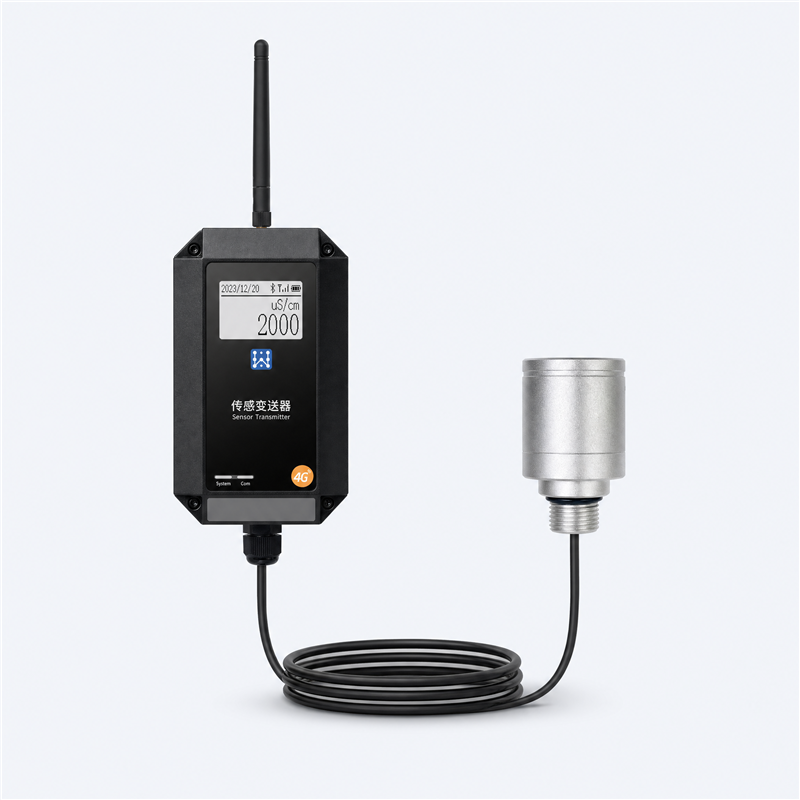
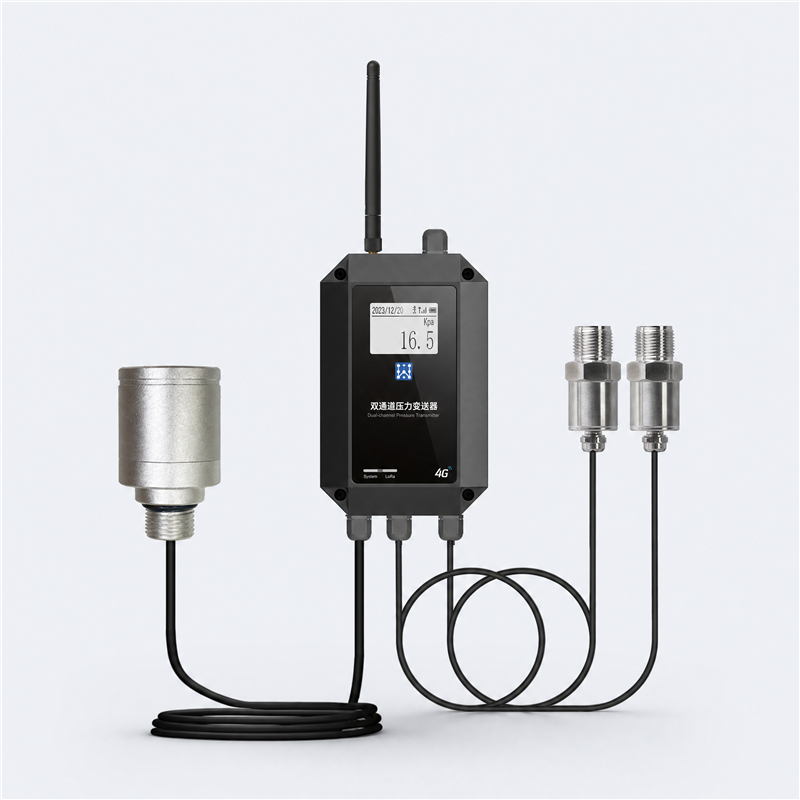
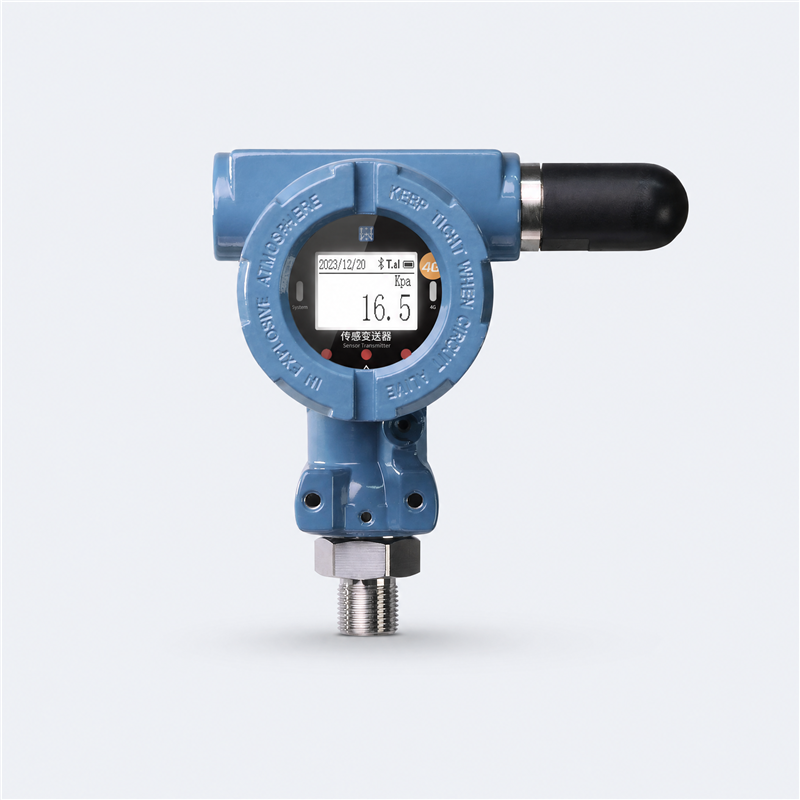
WE-T185 Pressure and methaneWE-T130 Explosion-proof line pressureWE-T100 Auxiliary water pressureWE-T233 Ammonia in plant rooms
2

Network and gateway

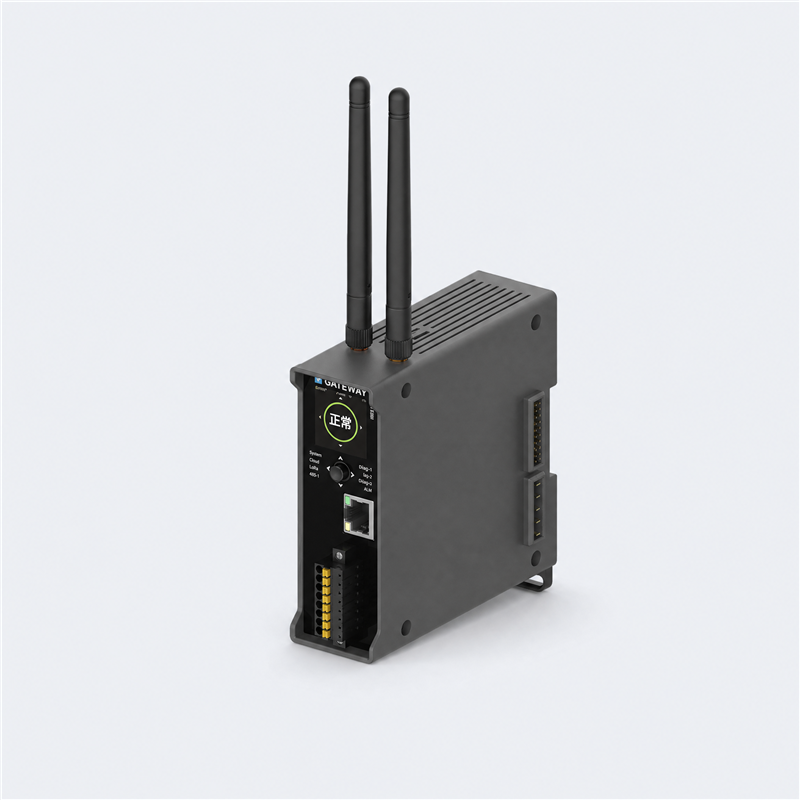
WE-X280WES-WIO wireless terminal protocolLoRa 410-490 MHz or RS4854G or Ethernet uplink
3

Platform and reporting

WES device management platformThreshold and abnormal-change alarmsSMS and email noticesTrend history and records
Reference topology: City Gas Pipeline Pressure and Leak MonitoringFour layers. Measuring points in the field; the edge gateway carrying LoRa, RS485 and the WES-WIO wireless terminal protocol; the WES device management platform; and alarm delivery by SMS and email.WES delivered systemREPORTINGAlarm deliveryThreshold, abnormal change and low batteryreach the duty engineer by SMS and emailRecordsReadings and events kept as one timelinefor review and reporting4G or Ethernet uplinkPLATFORMWES device management platformPer-point thresholds, reporting cycle and alarm rulesTrend view, device health and user managementWES-WIO wireless terminal protocolNETWORKEdge gateway and uplinkWE-X280LoRa and RS485 nodes converge hereOne uplink carries the site outwardWireless terminal linkWES-WIOEvery probe reports over WES-WIOWired devices join the same gatewayPOINTSPressure and methaneWE-T185One housing reports pressure and methane leakagetogether, so a single tap covers both risks.Explosion-proof line pressureWE-T130Ex-rated body with LoRa or cellular radio suitshazardous pipe runs.Auxiliary water pressureWE-T100Hoop mounting fits the small auxiliary lines thatfeed the site.Ammonia in plant roomsWE-T233Sealed IP67 body reads ammonia where staff enteronly for checks.

Results

70%Less manual inspection — Reduction in field inspection workload reported in the source project for this network.
90%Faster incident response — Gain in incident response efficiency reported in the same source project.
GB 50028Standard followed — Design and installation aligned to the national gas code cited in the source project.

Recommended Products

Next Step

Planning a deployment like this?

Share the pipe classes, protocols and enclosure ratings you need. We will list the points and the gateway.

Talk to an engineer