




Overview
A gas utility in North China operates a distribution network with old and new equipment side by side. Field teams walked the route on a fixed schedule, reading pressure at each station and checking joints by smell or by hand-held detector. Ageing pipe and mixed protocols made the rounds slower each year.
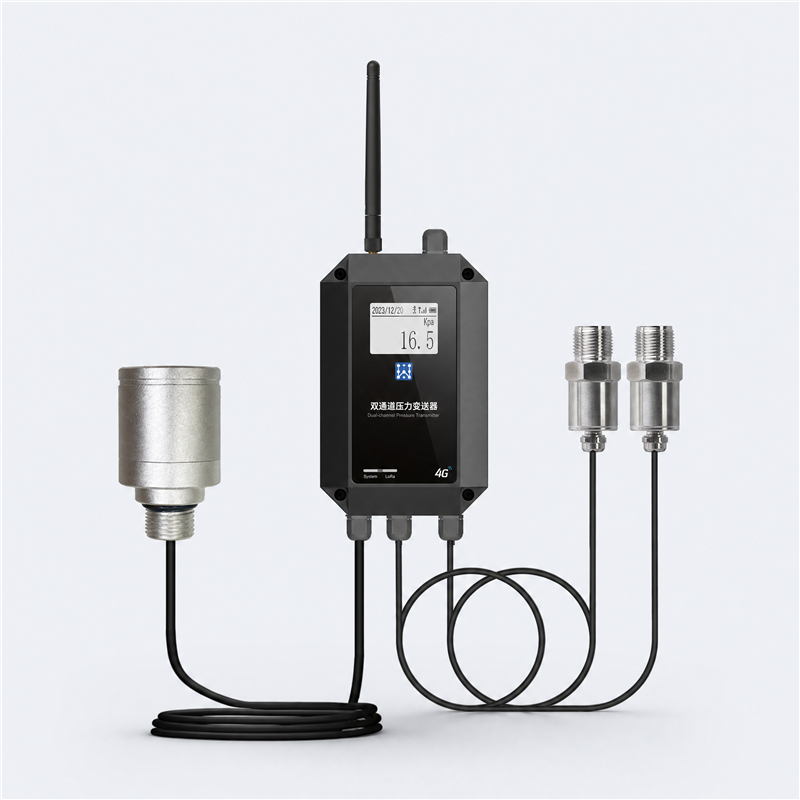
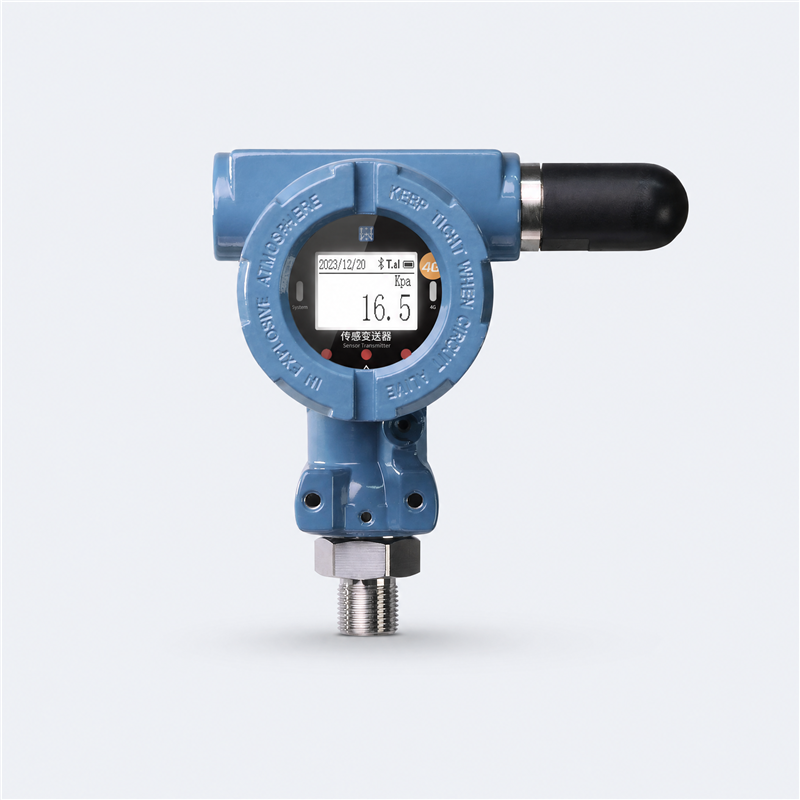
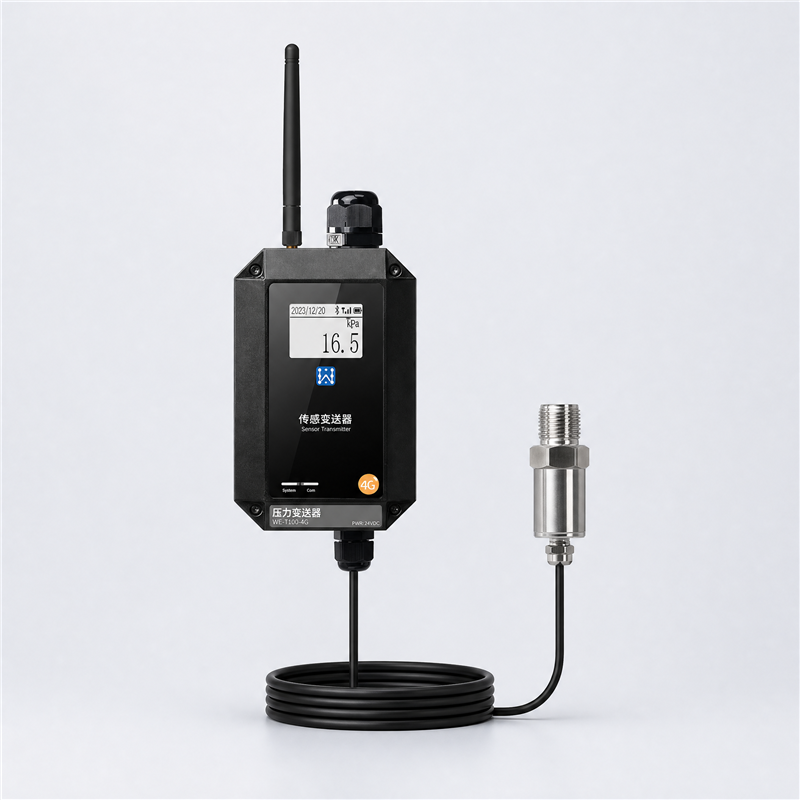
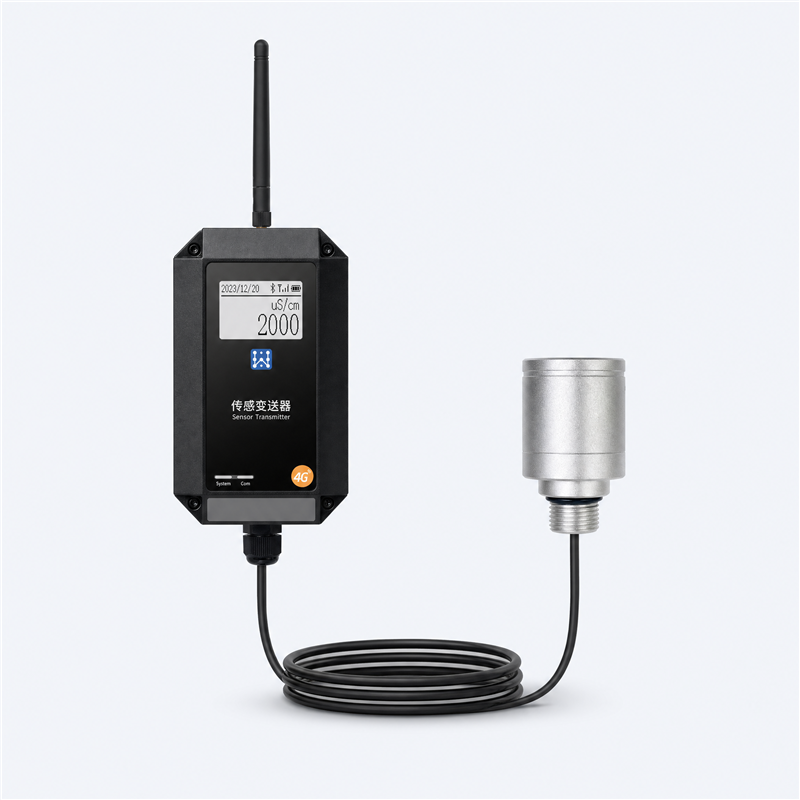
The utility wanted pressure and gas concentration watched together, reported to a control room, and alarms pushed to the administrator without waiting for a technician to arrive. Existing devices had to keep working. Outdoor cabinets and hazardous zones had to be served by certified terminals.
Challenges
Rounds on a fixed schedule
Field teams walked the route at set intervals, reading pressure at each station and checking joints by smell or with a hand-held detector.
Ageing pipe and mixed protocols
Old and new equipment sit side by side on the same network, and every point added made the rounds slower each year.
Hazardous and outdoor points
Outdoor cabinets and hazardous zones need certified terminals, and an alarm has to reach the administrator without waiting for a technician.
Solution
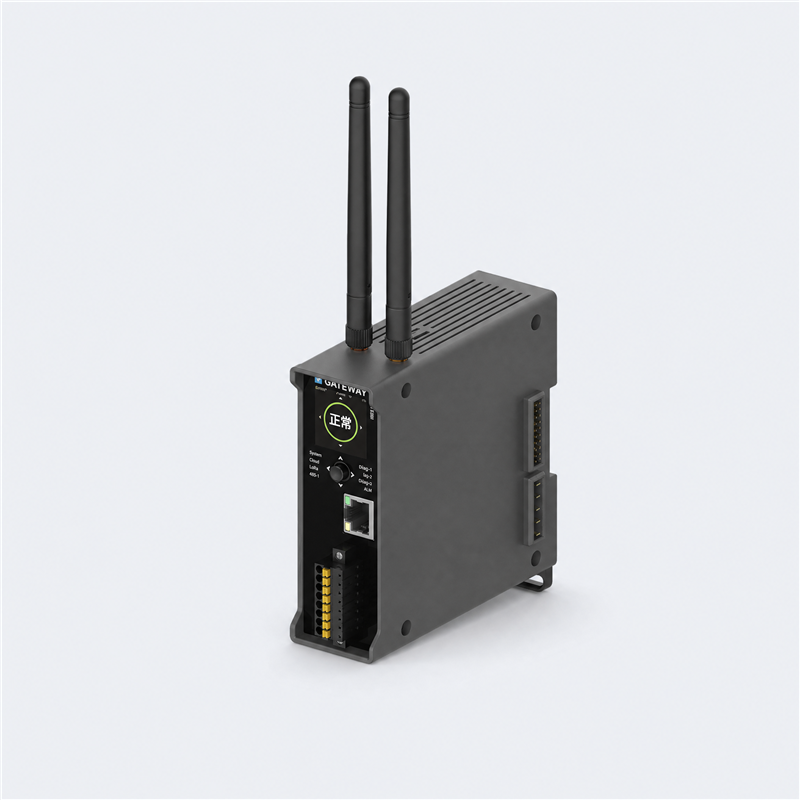
Each terminal sends its reading over the WES-WIO wireless terminal protocol to the edge gateway. The gateway also collects Modbus RTU and TCP devices left over from earlier upgrades, so old instruments and new ones share one path. Uplink leaves the site in a single stream.
Thresholds and reporting frequency are set per station on the WES device management platform. A leak or a pressure excursion raises an alarm at once and pushes it to the administrator. Engineers on duty see the trend, the limit and the location code on one screen.