Home / Solutions / Urban Waterlogging & Pipe Network
Solution 02
Urban Waterlogging & Pipe Network
Level and pressure transmitters report road ponding and buried pipe pressure as it develops. Alarms reach the municipal screen, and gates at rainwater wells can open sooner.
Water LevelPipe PressurepHORPDissolved Oxygen
Overview
A city drainage programme watches three things together: storm water on the carriageway, the level inside the wells, and the pressure in the buried mains that carry the flow away.
Level and pressure readings are analysed as they arrive, and the same controller drives the alarm equipment, relays, solenoid valves and pumps and opens the rainwater well gates. Pipeline valve position is checked against each line’s own pressure band, so the network and the road surface are managed from one point list.
Challenges
What the site has to get past before the readings are worth anything.
Ponding found late
Rainfall concentrates in a few road segments, and by the time a crew sees standing water, traffic is already affected.
Blind pipe network
Buried level and pressure data rarely reach one place, so operators cannot tell which segment is surcharged.
Manual well opening
Opening a rainwater well depends on someone travelling to the location and deciding on the spot.
System Architecture
Three layers: what is measured, how it travels, and where the rules and alarms live.
Measured points
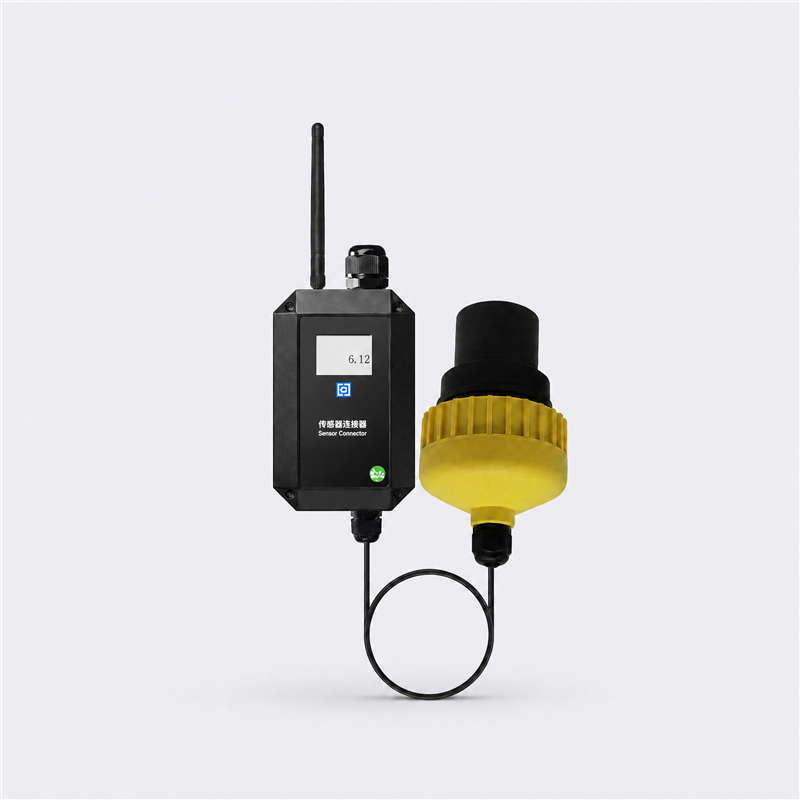
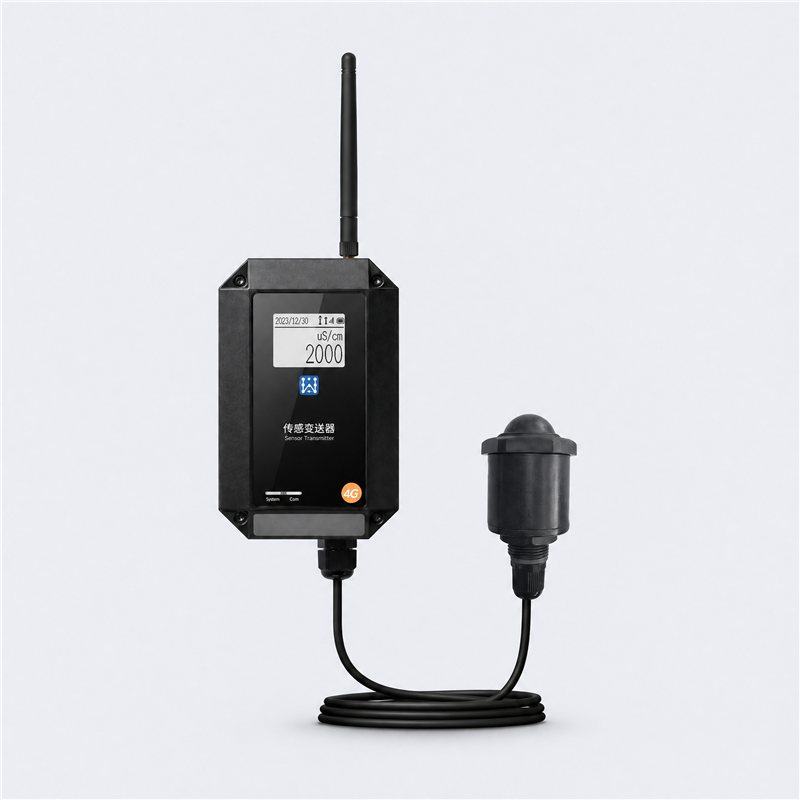
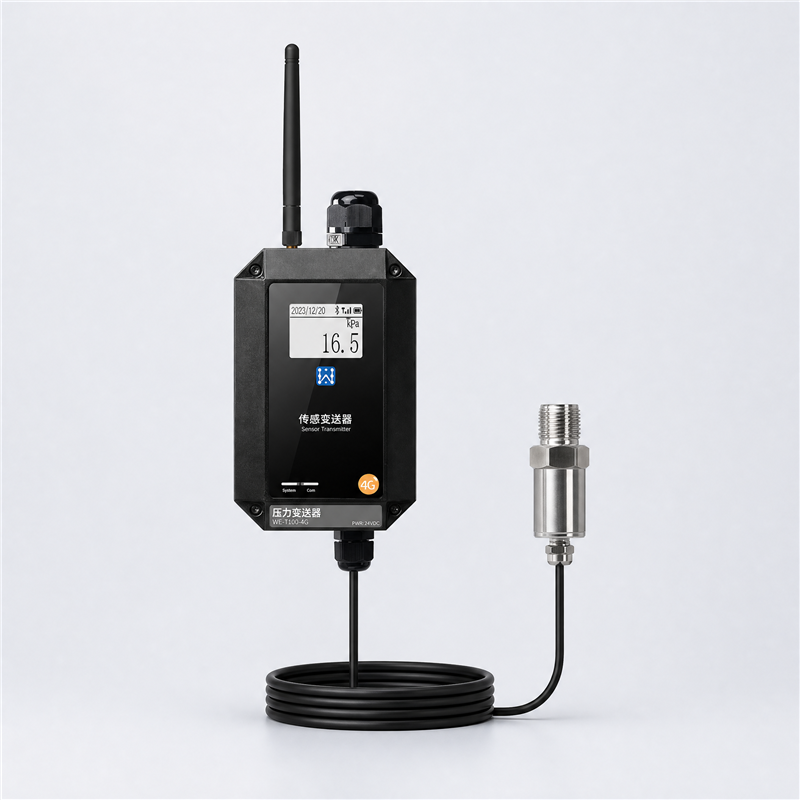
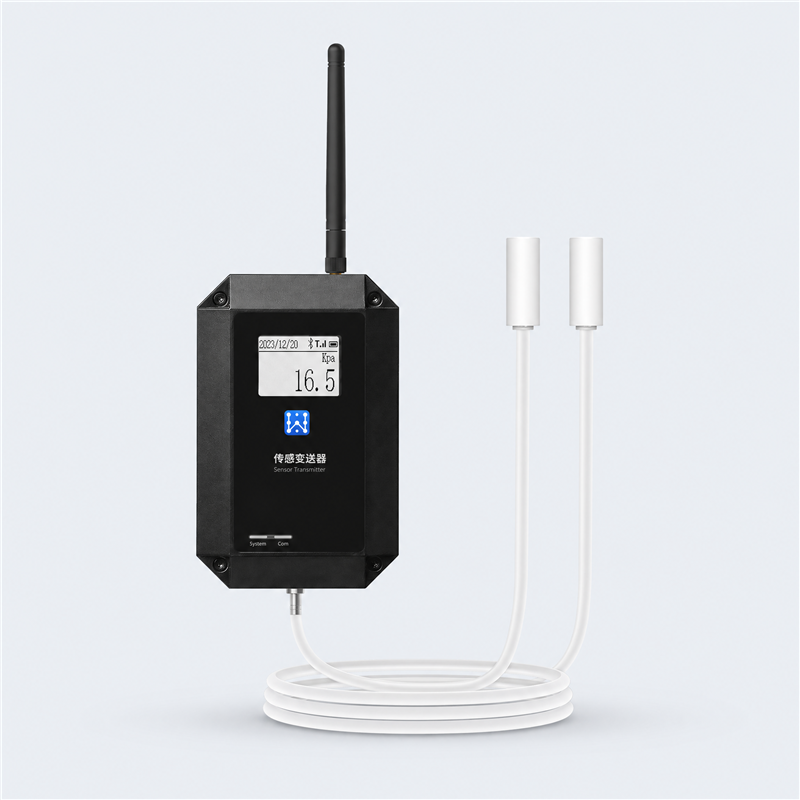
WE-T160 — Road ponding levelWE-T161 — Well levelWE-T100 — Pipe pressureWE-T103 — Differential pressurepH transmitter — Water quality
Network and gateway
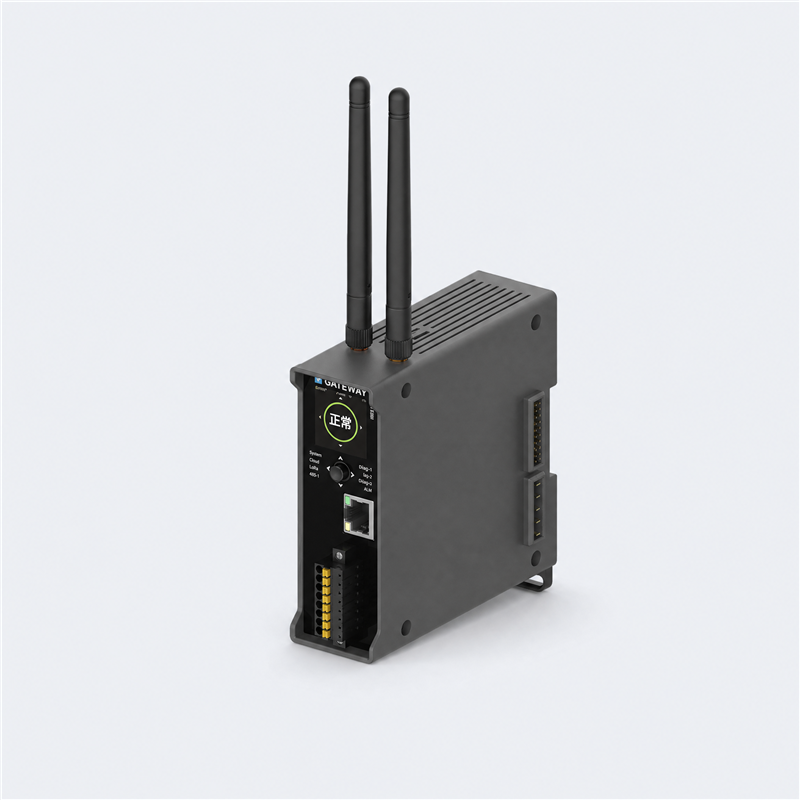
WE-X280 — LoRa to 4GWE-X240 — Valve control
Platform and reporting
WES device management platform — Alerts and dashboards
Reference topology
Sensing points are shown by quantity. The models listed below are the ones published on this site; ranges, mounting and probe type are confirmed per project.
Recommended Products
Typical configuration for this deployment. Every model here is published on this site.