




Field Soil and Climate Monitoring

Soil temperature, moisture and conductivity plus air temperature and humidity are logged across open field plots, so irrigation and planting decisions follow the record.

IndustryAgriculture
LocationNorth China
MeasuredSoil temperature · Soil moisture · Soil conductivity · Air temperature and humidity
Instruments4 models on one network

Overview

Soil condition changes slowly and unevenly. Temperature, moisture and conductivity at one point say little about the next plot, and the air above the crop follows a different pattern again. A three-in-one soil sensor plus an air temperature and humidity transmitter give the field a repeatable baseline instead of one-off probe readings.

The plots have no mains power and no network cable. Sensors must run on their own batteries, survive rain and dust, and report without a person walking the field. The requirement was a simple one: keep a continuous record of soil and air values, and raise a notice when a value moves outside its limit.

Challenges

One probe says little about the next plot

Soil temperature, moisture and conductivity change unevenly across the plots, so point readings could not stand in for a field record.

No mains power, no cable

The plots have neither power nor network cable, so every sensor had to run on its own battery and report by radio.

Weather belongs in the record

Air temperature and humidity follow a different pattern from the soil, and both belong on the same timeline.

Solution

Each soil unit and air transmitter holds its own power and antenna. Readings move over the WES-WIO wireless terminal protocol to the field concentrator, which carries the traffic to the WE-X280 edge gateway. No cable is trenched to the plots.

The gateway forwards the stream over 4G or Ethernet to the WES device management platform. There the soil and air values are stored as one timeline, limit and abnormal-change checks are applied, and SMS or email notices go out when the platform sees a condition that needs attention.
1

Measured points

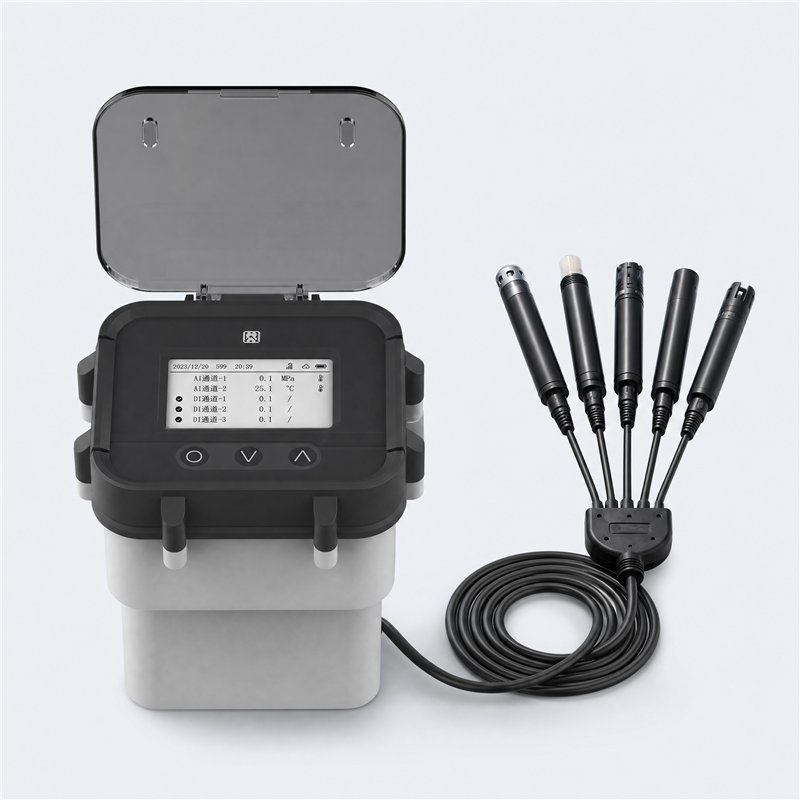
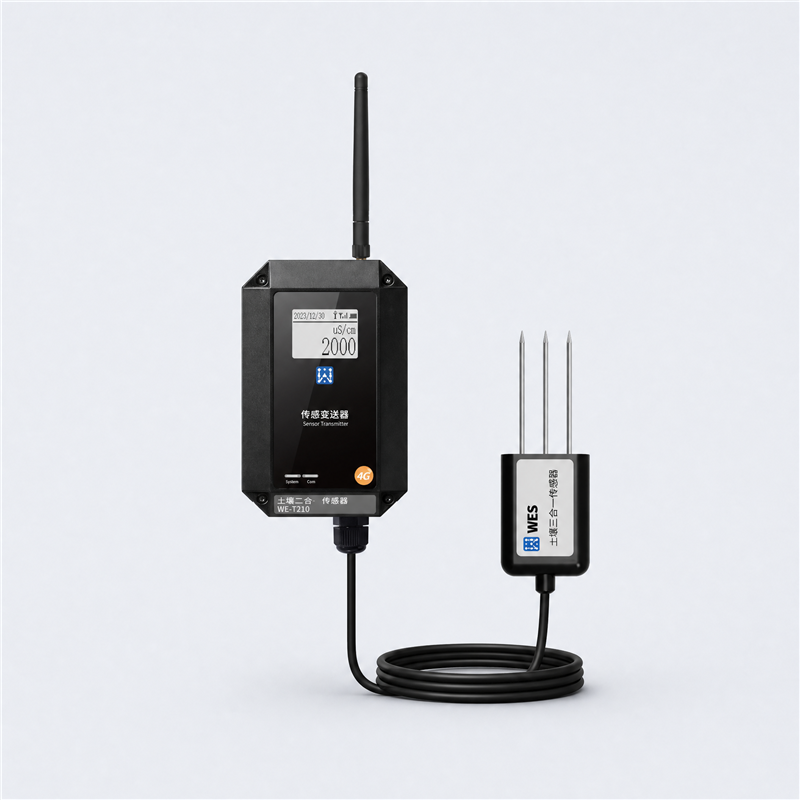
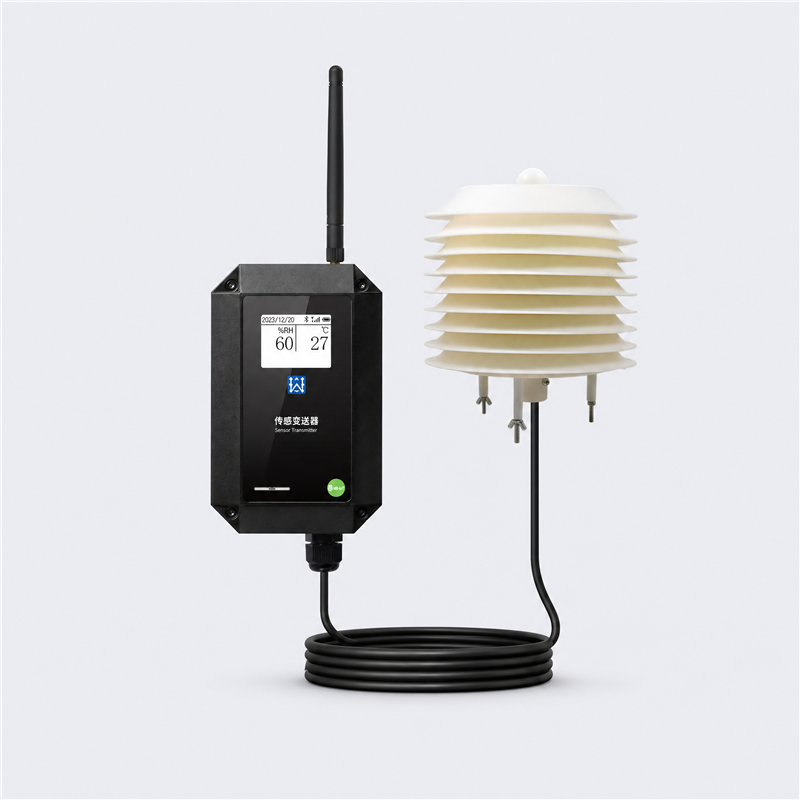
WE-T214 Soil measurementWE-T113 Air temperature and humidity
2

Network and gateway

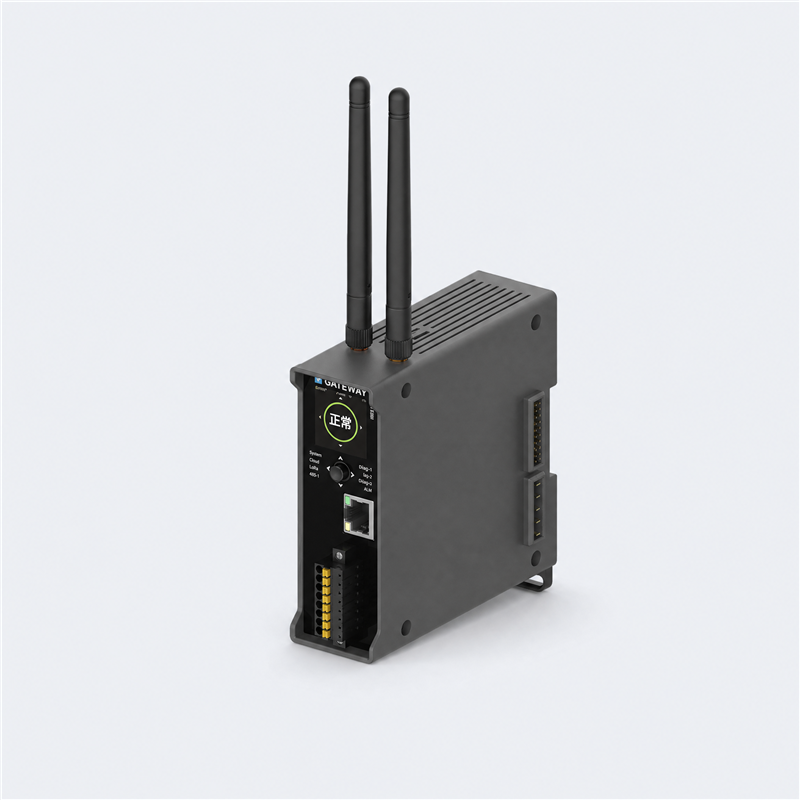
WE-T800WE-X280WES-WIO wireless terminal protocolLoRa 410-490 MHz or RS4854G or Ethernet uplink
3

Platform and reporting

WES device management platformThreshold and abnormal-change alarmsSMS and email noticesTrend history and records
Reference topology: Field Soil and Climate MonitoringFour layers. Measuring points in the field; the edge gateway carrying LoRa, RS485 and the WES-WIO wireless terminal protocol; the WES device management platform; and alarm delivery by SMS and email.WES delivered systemREPORTINGAlarm deliveryThreshold, abnormal change and low batteryreach the duty engineer by SMS and emailRecordsReadings and events kept as one timelinefor review and reporting4G or Ethernet uplinkPLATFORMWES device management platformPer-point thresholds, reporting cycle and alarm rulesTrend view, device health and user managementWES-WIO wireless terminal protocolNETWORKEdge gateway and uplinkWE-T800 / WE-X280LoRa and RS485 nodes converge hereOne uplink carries the site outwardWireless terminal linkWES-WIOEvery probe reports over WES-WIOWired devices join the same gatewayPOINTSSoil measurementWE-T214One probe for soil temperature, moisture andconductivity; 19000mAh battery plus solar.Air temperature and humidityWE-T113External probe reads air conditions over theplots; LoRa or 4G output.

Results

Field record, unattendedSoil and air values stay logged between site visits.
One concentrator pointUp to 128 wired or wireless devices can report through one unit.
Power independent of gridBattery and solar supply the soil probe where mains power is absent.

Recommended Products

Next Step

Planning a deployment like this?

Tell us the plot layout and the values that drive your decisions. We will size the probes and the concentrator.

Talk to an engineer