




Overview
A pond-based farm in East China raises stock in covered tanks. Oxygen, pH and nitrogen levels shift through the day and again at night. Staff walked the banks with hand-held meters, wrote readings on paper, and acted only after fish behaviour changed. By then the correction was often late.
The farm wanted a loop it could watch without extra people on shift. Sensors had to survive splash, sun and hose-down. Readings had to reach one screen, raise their own alarms, and drive the aerators and feeders directly. The owner set a target: cut the combined cost of power, feed and labour.
Challenges
Readings taken by hand
Staff walked the banks with hand-held meters and wrote the values on paper, so a fall in water quality was noticed after the fish had already reacted.
Corrections that arrived late
Aeration and feeding followed a fixed routine rather than the reading, so the correction came after the fact instead of before it.
Instruments in a wet, sunny place
Anything mounted at a covered tank has to survive splash, direct sun and hose-down, and still hold a link across open water.
Solution
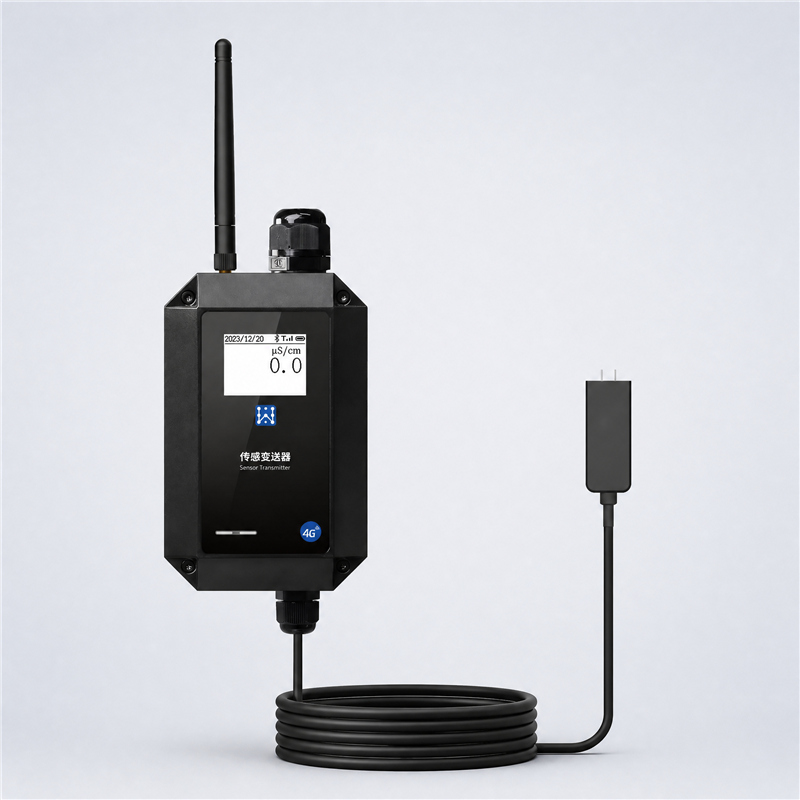
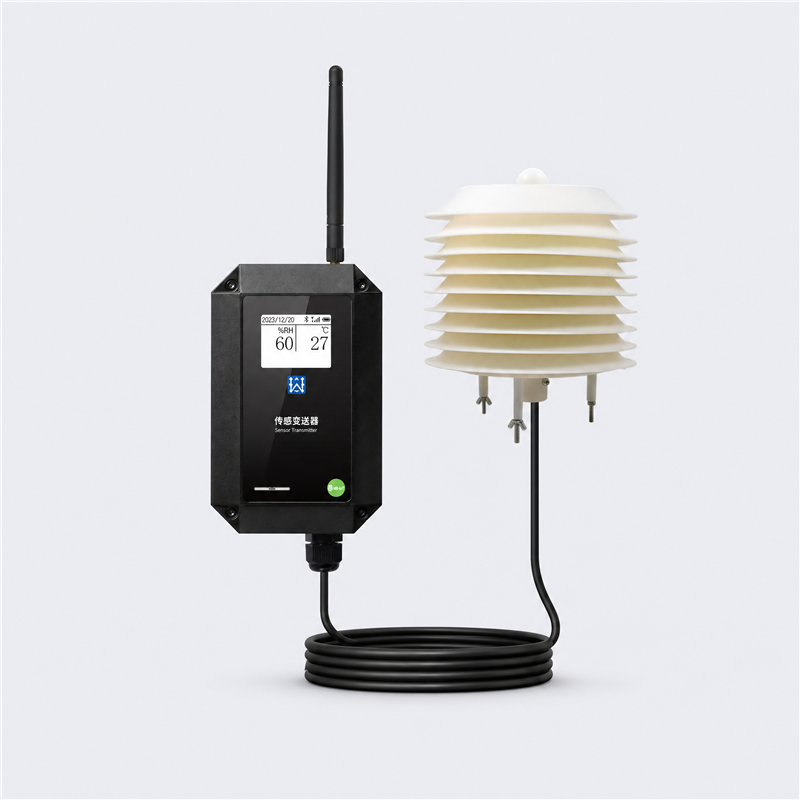
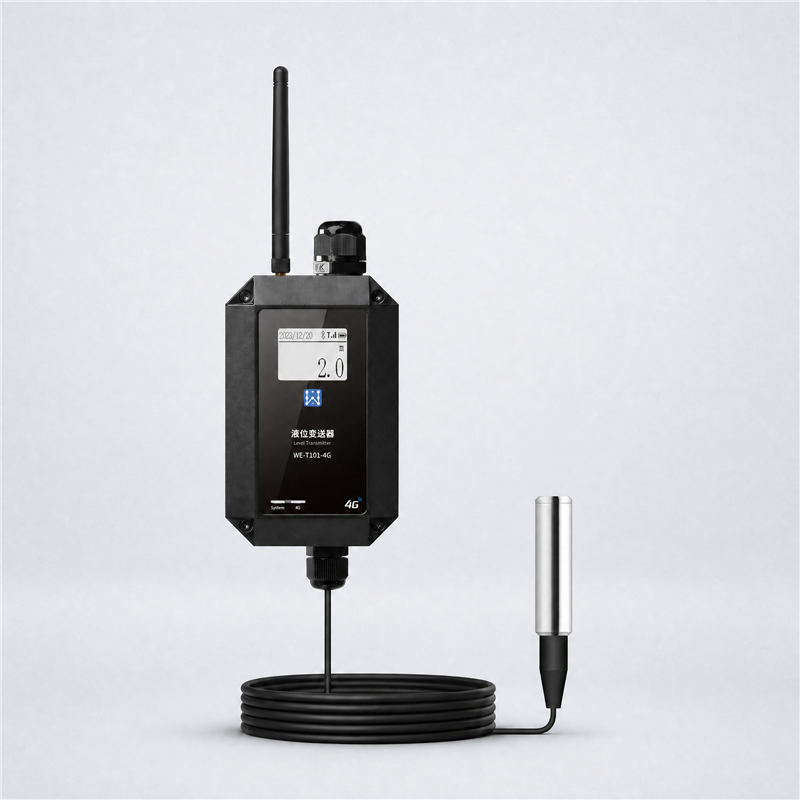
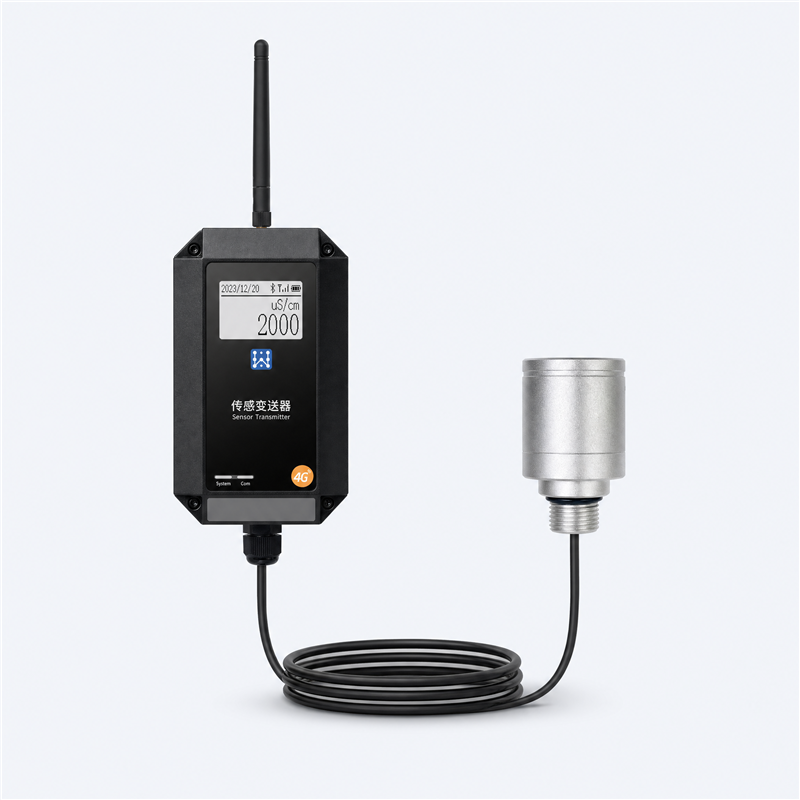
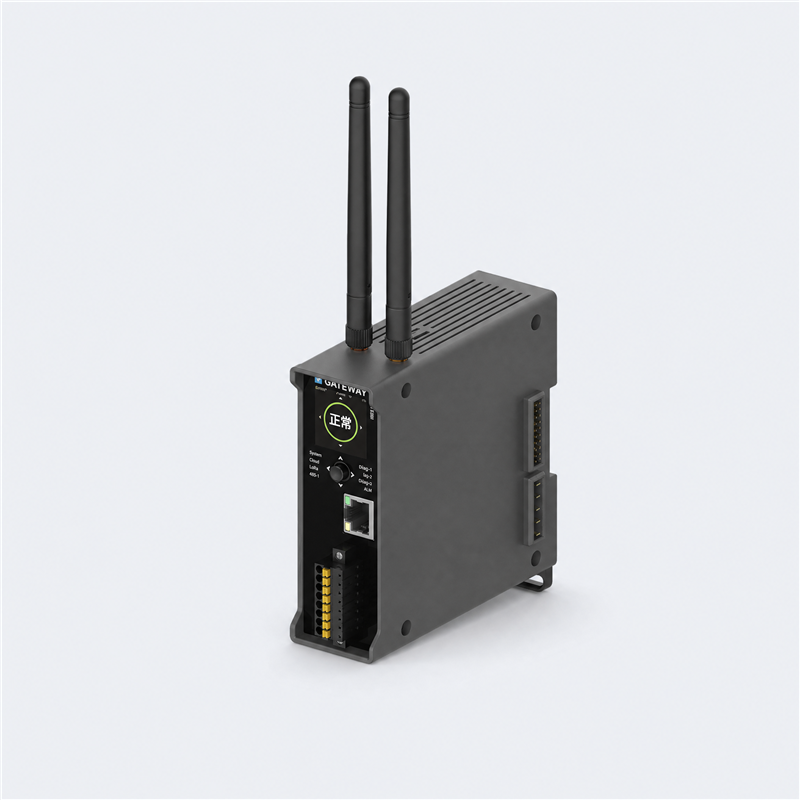
Each transmitter samples the water on its own cycle. Values leave the probe over the WES-WIO wireless terminal protocol and land on the edge gateway, which holds the wired and wireless nodes together. The gateway uplinks over cellular or Ethernet to the WES device management platform.
On the platform, thresholds are set per tank and per season. A reading that crosses a threshold or drifts abnormally raises an SMS and an email to the duty engineer. The same rule set drives the aerator and feeder circuits through the I/O module.