




Plant-Wide Predictive Maintenance

Vibration, temperature and run state watched across a plant’s B and C class machines. Inspections drop, failures are caught early, and maintenance cost falls by 30 percent.

IndustryHeavy industry
LocationNorth China
MeasuredVibration · Temperature · Run state
Instruments4 models on one network

Overview

A cement plant runs a large population of B and C class main and auxiliary machines. These units are not critical enough for permanent wired monitoring, yet a seized bearing or a failed fan stops a line. Maintenance worked to a calendar, opening machines that were still healthy and missing others that were not.

The site wanted condition data from machines that had never been instrumented, without laying cable to each one. The plan was broad coverage at low cost, with vibration as the leading indicator, plus early warning on abnormal temperature and unexpected start or stop events.

Challenges

Machines never instrumented

B and C class main and auxiliary machines are not critical enough for permanent wired monitoring, yet a seized bearing or a failed fan still stops a line.

Maintenance on a calendar

Units were opened on a fixed schedule, so healthy machines were disturbed and failing ones were missed between stops.

No cable to each machine

Condition data was wanted from a large population of machines without laying cable to every one of them.

Solution

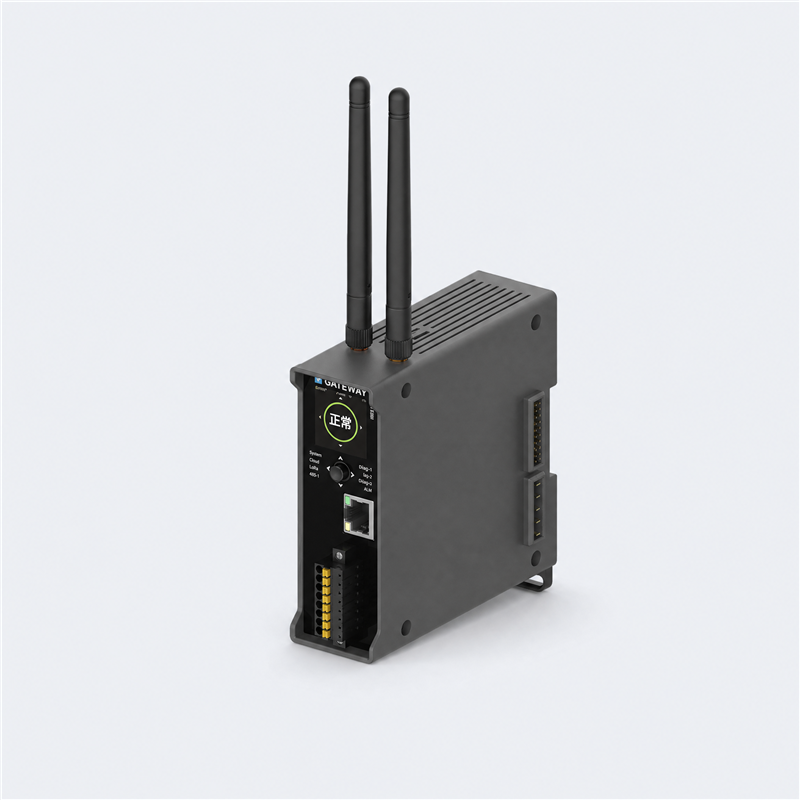
Vibration and temperature readings leave each machine node over the WES-WIO wireless terminal protocol. The edge gateway gathers the wired and wireless nodes on the line and keeps sampling when the uplink is briefly lost. Data then flows to the WES device management platform.

Self-learning vibration analysis runs on the trend history gathered from the plant. A rising envelope or a shift in the run state raises a work order before the machine fails. Engineers see which unit needs attention and when, instead of opening machines on a fixed calendar.
1

Measured points

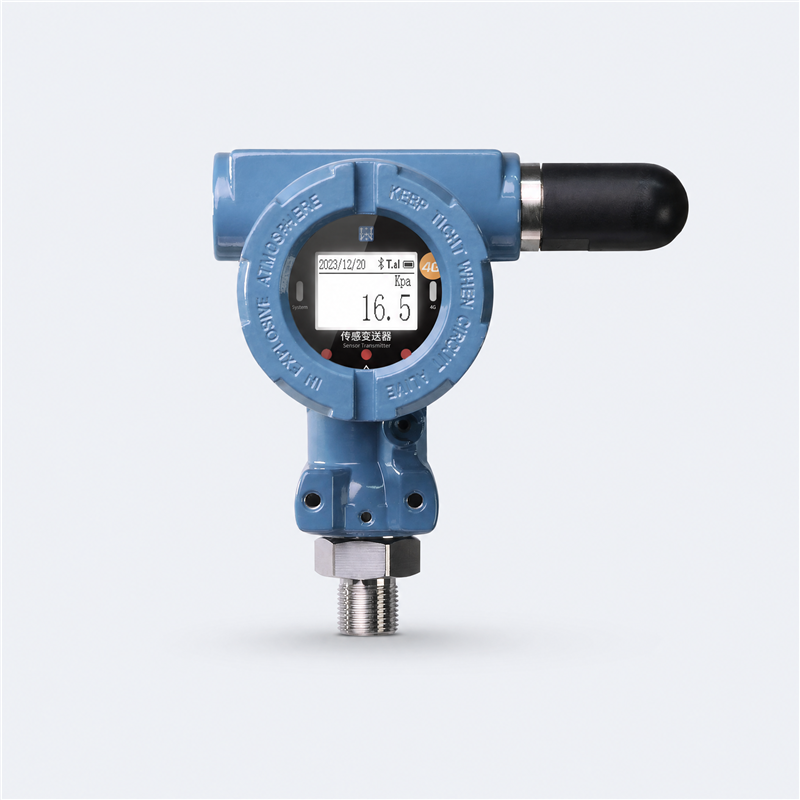
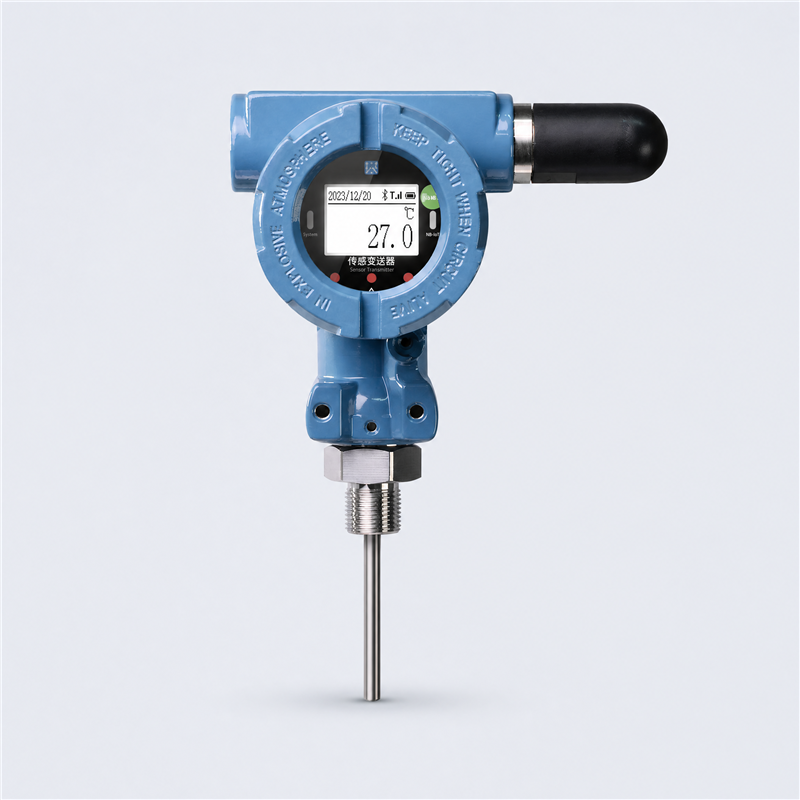
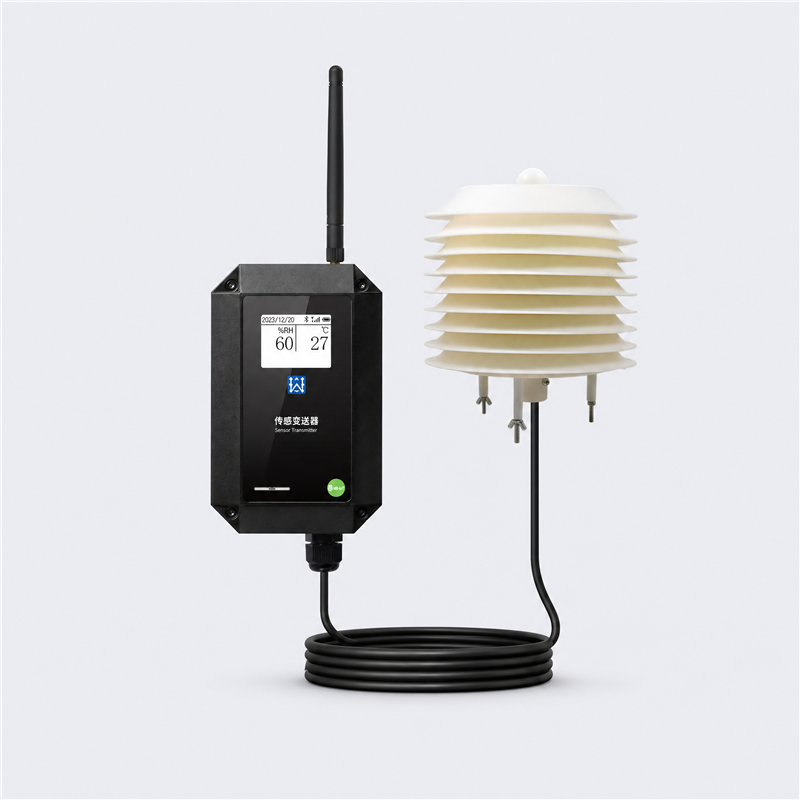
WE-T132 Machine surface temperatureWE-T113 Ambient temperature and humidityWE-T130 Process pressure at units
2

Network and gateway

WE-X280WES-WIO wireless terminal protocolLoRa 410-490 MHz or RS4854G or Ethernet uplink
3

Platform and reporting

WES device management platformThreshold and abnormal-change alarmsSMS and email noticesTrend history and records
Reference topology: Plant-Wide Predictive MaintenanceFour layers. Measuring points in the field; the edge gateway carrying LoRa, RS485 and the WES-WIO wireless terminal protocol; the WES device management platform; and alarm delivery by SMS and email.WES delivered systemREPORTINGAlarm deliveryThreshold, abnormal change and low batteryreach the duty engineer by SMS and emailRecordsReadings and events kept as one timelinefor review and reporting4G or Ethernet uplinkPLATFORMWES device management platformPer-point thresholds, reporting cycle and alarm rulesTrend view, device health and user managementWES-WIO wireless terminal protocolNETWORKEdge gateway and uplinkWE-X280LoRa and RS485 nodes converge hereOne uplink carries the site outwardWireless terminal linkWES-WIOEvery probe reports over WES-WIOWired devices join the same gatewayPOINTSMachine surface temperatureWE-T132Threaded and straight-pipe probes mount on hotmachine casings.Ambient temperature and humidityWE-T113External probe reaches into the housing while thesealed body stays outside.Process pressure at unitsWE-T130Covers the pressure side of the same units in onegateway network.

Results

30%Lower maintenance cost — Reduction in maintenance and operating cost reported in the source project.

Recommended Products

Next Step

Planning a deployment like this?

Describe the machine classes and the alarms you already trust. We will suggest sensors and thresholds.

Talk to an engineer