




Overview
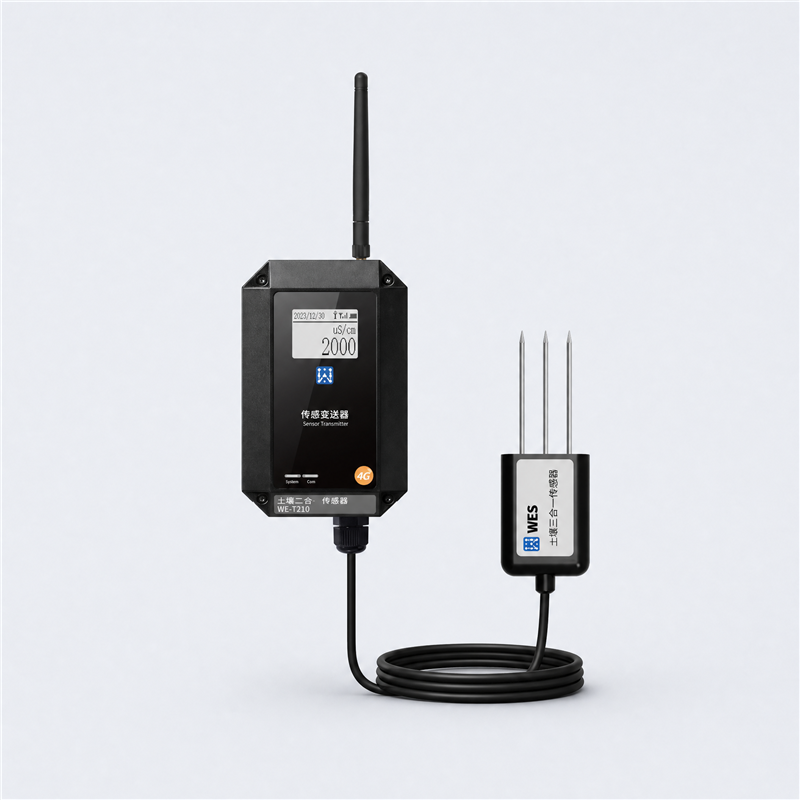
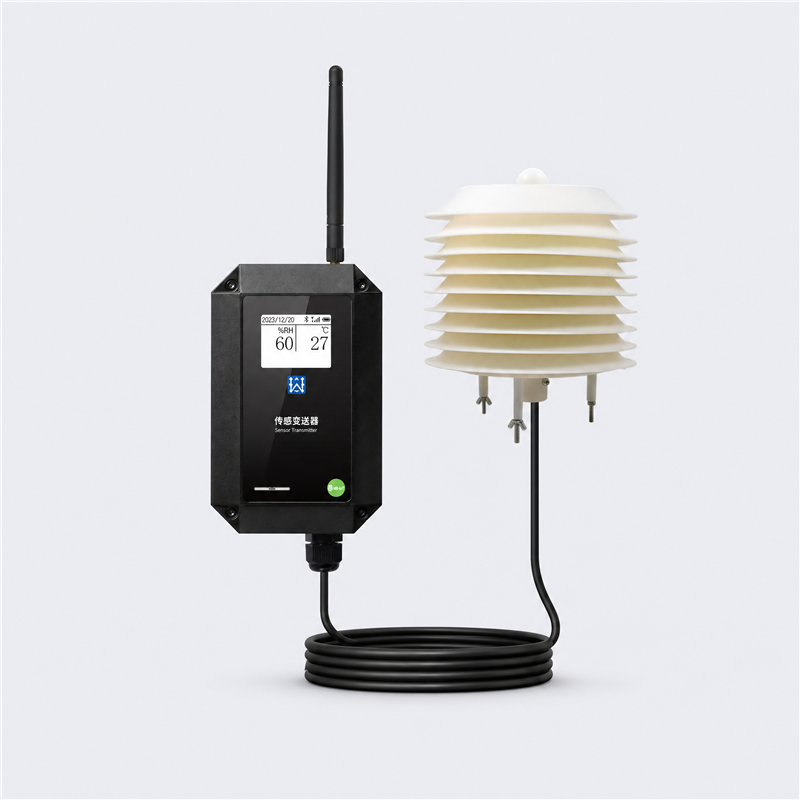
Soil condition changes slowly and unevenly. Temperature, moisture and conductivity at one point say little about the next plot, and the air above the crop follows a different pattern again. A three-in-one soil sensor plus an air temperature and humidity transmitter give the field a repeatable baseline instead of one-off probe readings.
The plots have no mains power and no network cable. Sensors must run on their own batteries, survive rain and dust, and report without a person walking the field. The requirement was a simple one: keep a continuous record of soil and air values, and raise a notice when a value moves outside its limit.
Challenges
One probe says little about the next plot
Soil temperature, moisture and conductivity change unevenly across the plots, so point readings could not stand in for a field record.
No mains power, no cable
The plots have neither power nor network cable, so every sensor had to run on its own battery and report by radio.
Weather belongs in the record
Air temperature and humidity follow a different pattern from the soil, and both belong on the same timeline.
Solution
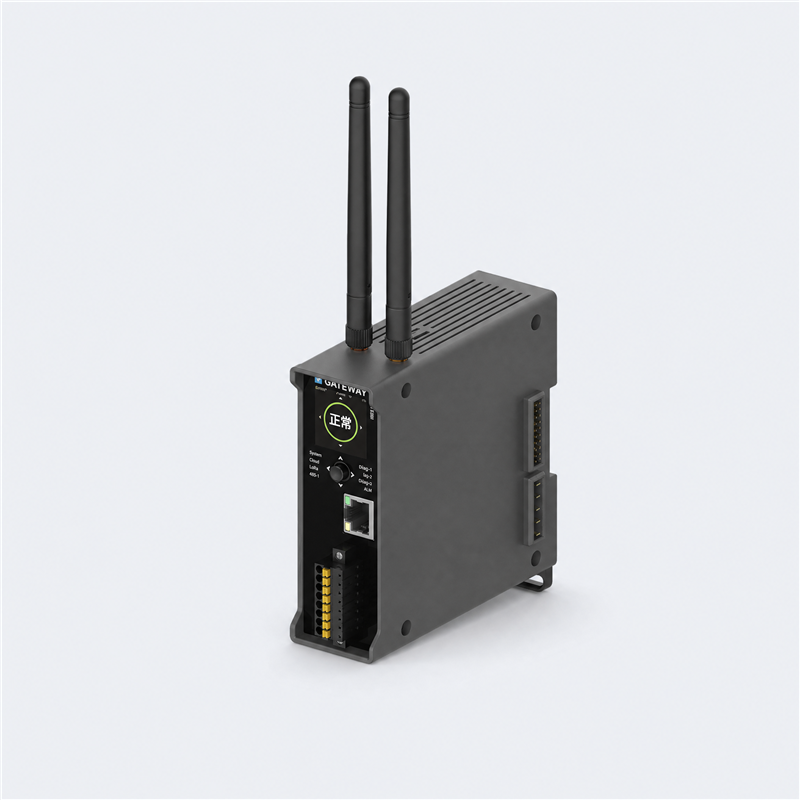
Each soil unit and air transmitter holds its own power and antenna. Readings move over the WES-WIO wireless terminal protocol to the field concentrator, which carries the traffic to the WE-X280 edge gateway. No cable is trenched to the plots.
The gateway forwards the stream over 4G or Ethernet to the WES device management platform. There the soil and air values are stored as one timeline, limit and abnormal-change checks are applied, and SMS or email notices go out when the platform sees a condition that needs attention.