

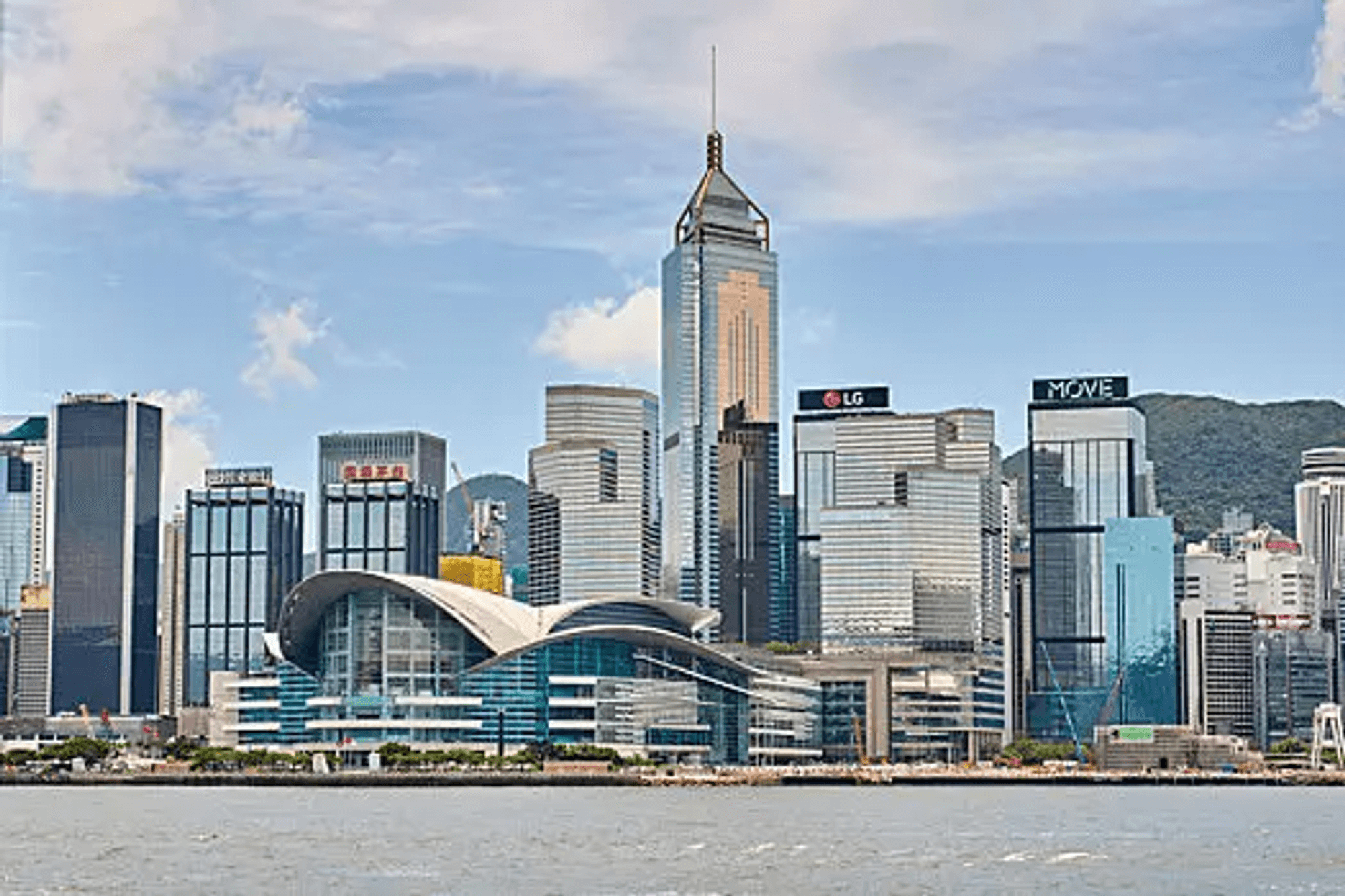


Municipal Pipe Network and Waterlogging Response

Level and pressure sensors on roads and buried mains feed one alarm loop. The dashboard sees a rising street earlier, and drain valves open on the same signal.

IndustryMunicipal water
LocationEast China
MeasuredLevel · Pressure · Conductivity
Instruments5 models on one network

Overview

A city project covers storm drains along flooded roads and the pressure in the buried mains beneath them. Crews relied on calls from the public and on patrols after heavy rain. By the time a crew reached the drain, water was already standing and traffic had slowed.

The programme set two goals. First, road ponding had to be reported while it was forming, not afterwards. Second, the pipeline network had to be watched at the same time, so valves could be opened and the water sent to the river before damage spread.

Challenges

Storm water reported by the public

Crews learned about standing water from calls and from patrols after heavy rain, by which time traffic had already slowed.

A drain reached after the fact

By the time a crew arrived at a road drain the water was already standing, and the window to open it early had passed.

Pipeline watched separately

The buried mains and the road drains were read on different records, so a pressure change and a rising level could not be seen as one event.

Solution

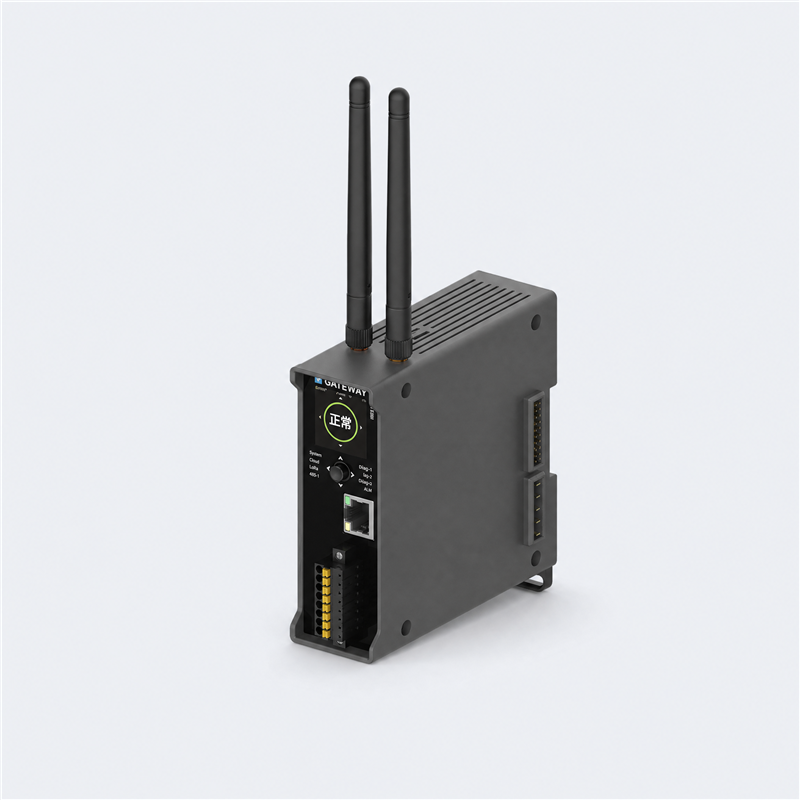
Level and pressure readings leave each transmitter over the WES-WIO wireless terminal protocol. The edge gateway collects the wired and wireless nodes and holds the last value if the link drops. One uplink carries the whole site to the WES device management platform.

On the platform, a rising level crossing its threshold sends an alert to the municipal screen and to the duty engineer at once. The same event opens the storm drain relays through the gateway, and pipe pressure is checked against its own band before any valve moves.
1

Measured points

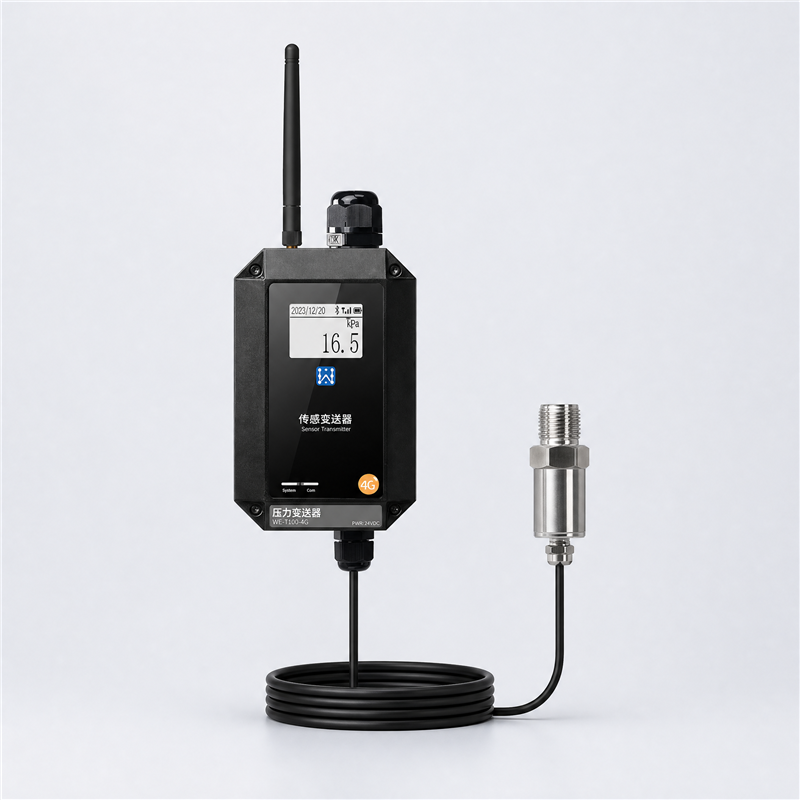
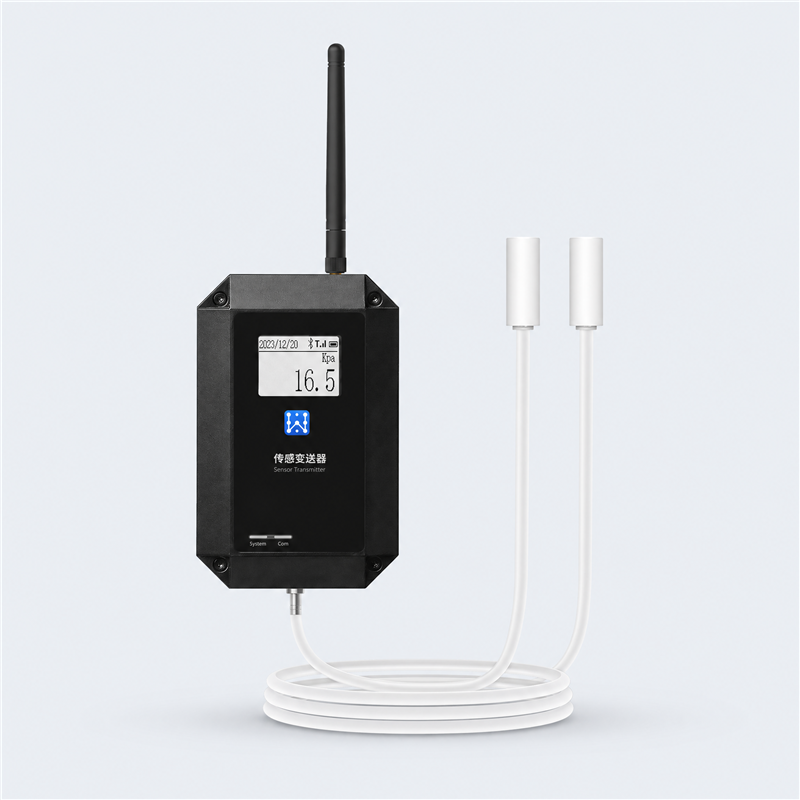
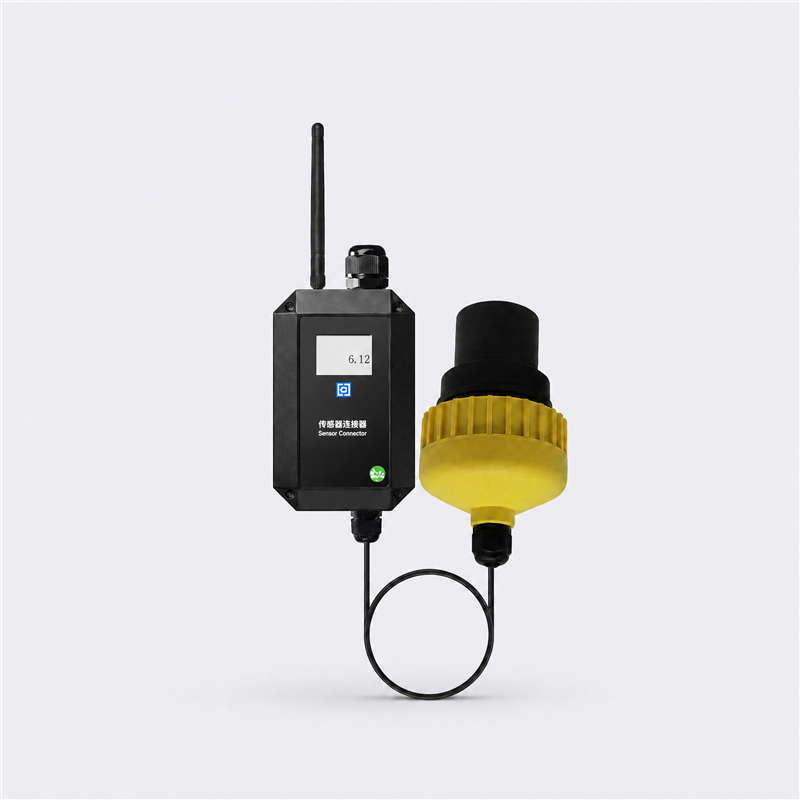
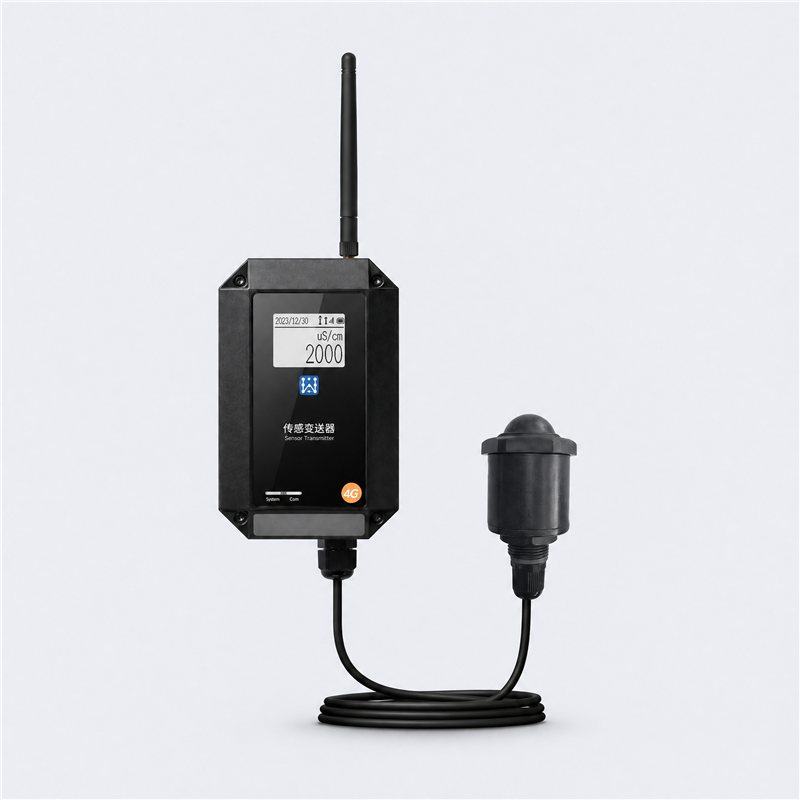
WE-T160 Road and channel levelWE-T161 Main level, radarWE-T100 Mains water pressureWE-T103 Filter differential pressure
2

Network and gateway

WE-X280WES-WIO wireless terminal protocolLoRa 410-490 MHz or RS4854G or Ethernet uplink
3

Platform and reporting

WES device management platformThreshold and abnormal-change alarmsSMS and email noticesTrend history and records
Reference topology: Municipal Pipe Network and Waterlogging ResponseFour layers. Measuring points in the field; the edge gateway carrying LoRa, RS485 and the WES-WIO wireless terminal protocol; the WES device management platform; and alarm delivery by SMS and email.WES delivered systemREPORTINGAlarm deliveryThreshold, abnormal change and low batteryreach the duty engineer by SMS and emailRecordsReadings and events kept as one timelinefor review and reporting4G or Ethernet uplinkPLATFORMWES device management platformPer-point thresholds, reporting cycle and alarm rulesTrend view, device health and user managementWES-WIO wireless terminal protocolNETWORKEdge gateway and uplinkWE-X280LoRa and RS485 nodes converge hereOne uplink carries the site outwardWireless terminal linkWES-WIOEvery probe reports over WES-WIOWired devices join the same gatewayPOINTSRoad and channel levelWE-T160Ultrasonic range suits open channels and stands upto immersion when a drain backs up.Main level, radarWE-T161Radar holds a reading where mist, foam or vapourdisturbs an ultrasonic echo.Mains water pressureWE-T100Hoop and wall mounting fits chambers that were notbuilt for instruments.Filter differential pressureWE-T103Low differential range covers strainers and thesmall drops across meters.

Results

80%Faster warning — Warning speed gain reported in the source project, measured from sensor reading to public alert.

Recommended Products

Next Step

Planning a deployment like this?

Send the road segments and pipe pressures you watch today. We will sketch the point list for a trial.

Talk to an engineer