Vibration, temperature and start-stop signals from auxiliary machines are collected continuously. Wear shows as a trend, so maintenance is planned on condition instead of on a calendar.
The B and C class main and auxiliary machines that carry a plant but rarely justify permanent wired monitoring. Vibration is the leading indicator, with surface temperature and unexpected start-stop events read alongside it.
Sensors are mounted without running cable to every unit, and the data reaches the dashboard where self-learning vibration analysis works on the trend history. Maintenance is then planned on condition: the rising envelope or the shifted run state that shows a bearing is going, instead of a calendar.
Challenges
What the site has to get past before the readings are worth anything.
Calendar-based servicing
Machines are serviced on a fixed schedule, so good parts are replaced early and others fail between stops.
Too many machines
A plant holds more auxiliary units than a crew can walk past, and the quiet ones are missed.
Stops without warning
Bearing wear and temperature rise show up only when a machine already stops the line.
System Architecture
Three layers: what is measured, how it travels, and where the rules and alarms live.
WES device management platform — Trends and alerts
Reference topology
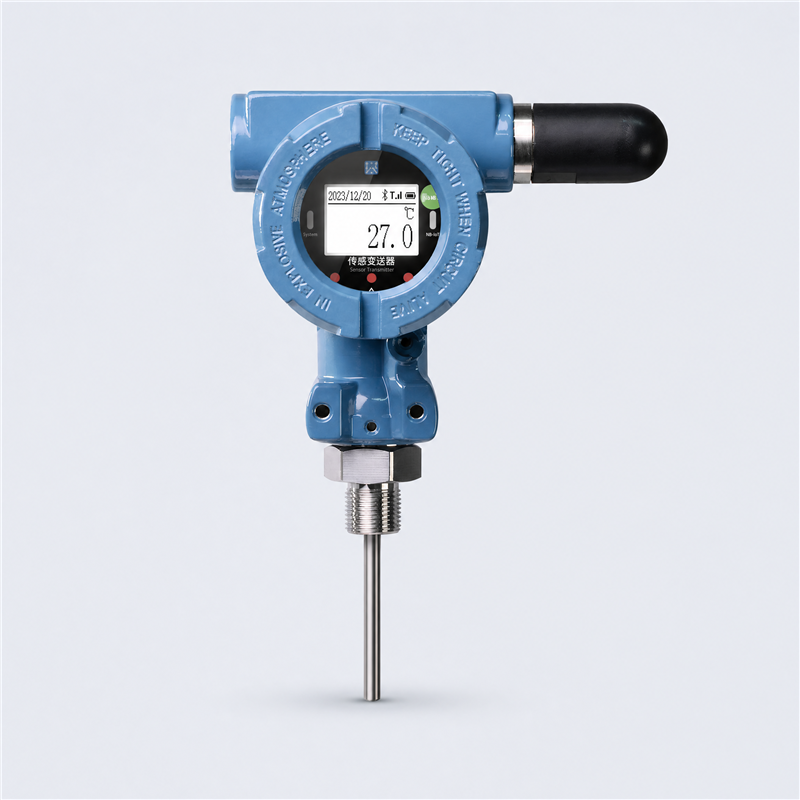
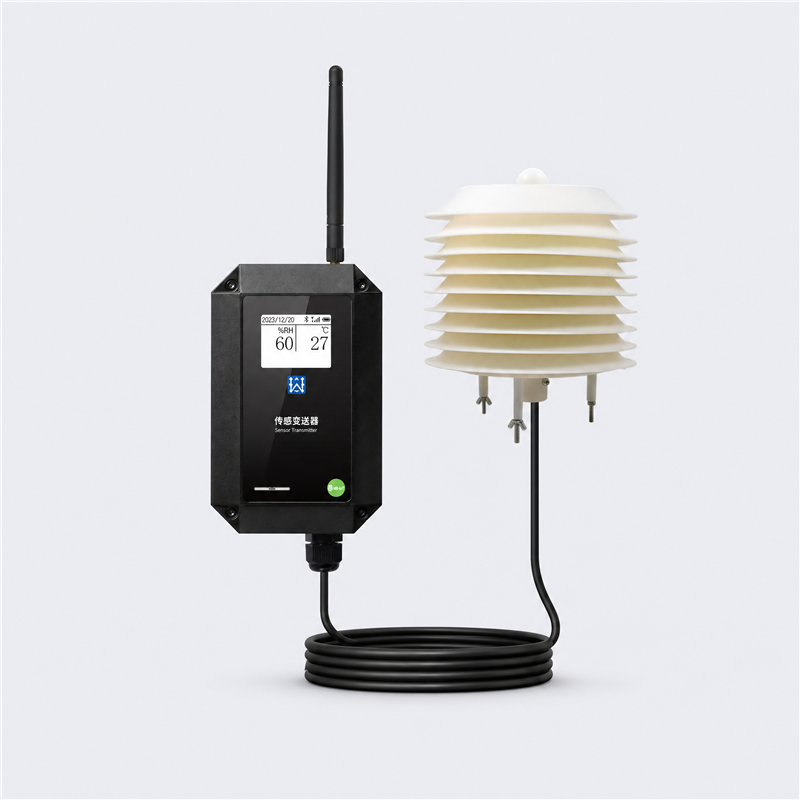
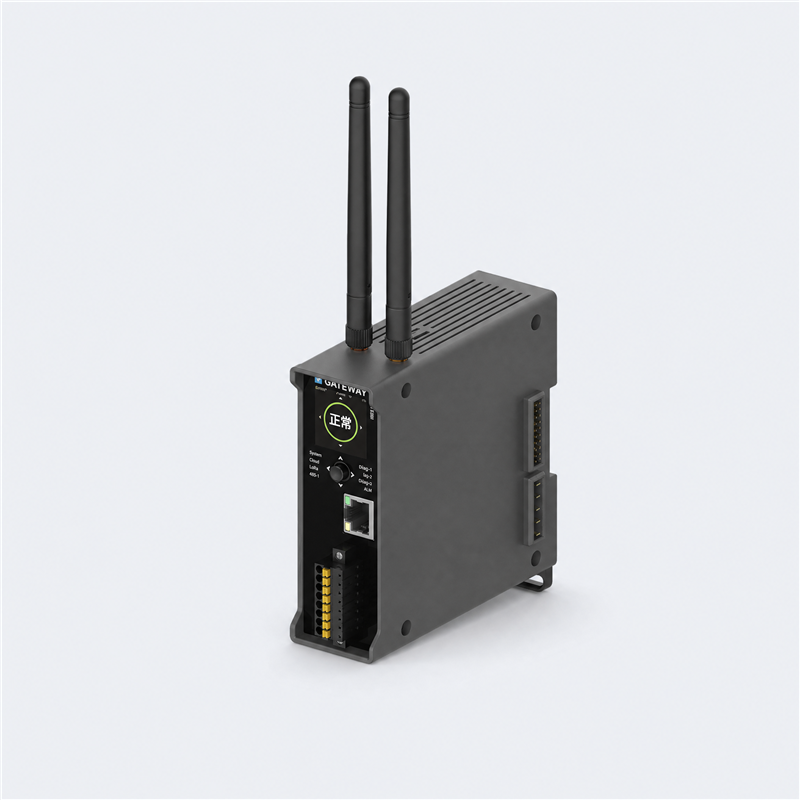
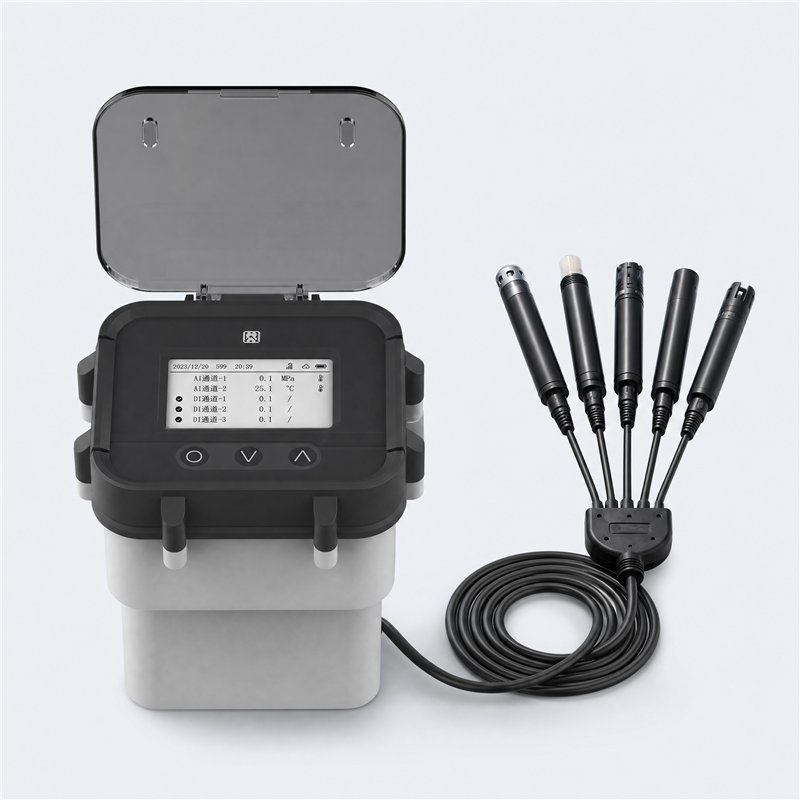
Sensing points are shown by quantity. The models listed below are the ones published on this site; ranges, mounting and probe type are confirmed per project.
Recommended Products
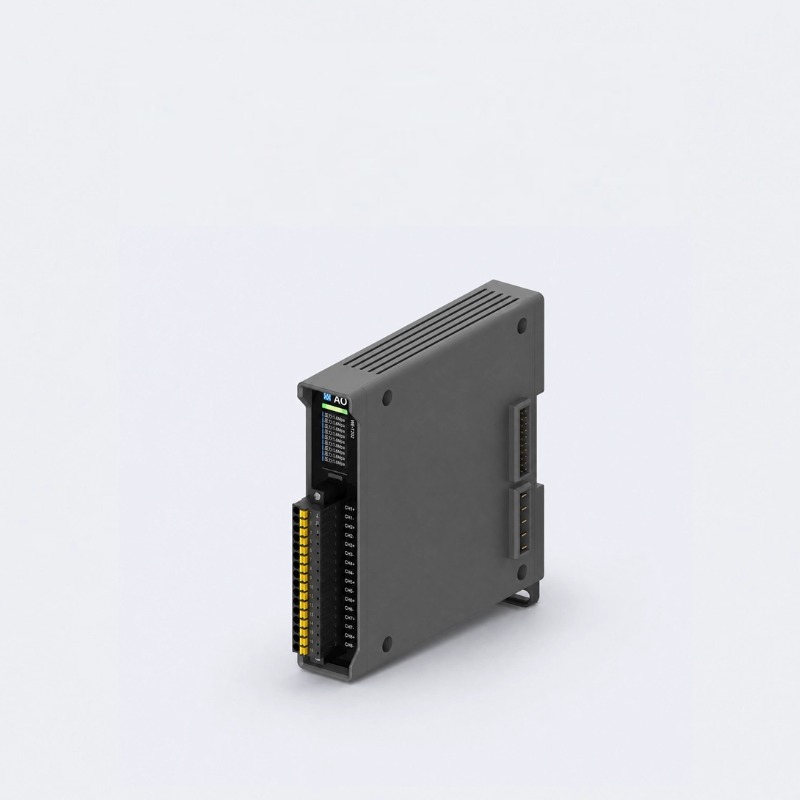
Typical configuration for this deployment. Every model here is published on this site.