



Overview
A circulating water loop carries the same water through cooling, process and reuse stages. Conductivity rises as dissolved solids concentrate, differential pressure across a filter or heat exchanger rises as fouling builds, and line pressure shifts as pumps and valves age. Operators had no continuous record of these three values, so problems were usually found at the reuse line.
Manual rounds covered the loop once per shift. Readings were written on paper, and the picture between rounds was missing. The goal here was narrower than full control: put a continuous, time-stamped record on the three measured quantities, and route alarm conditions to the people who maintain the loop.
Challenges
Concentration and fouling drift
Conductivity rises as dissolved solids concentrate and differential pressure rises as filters and exchangers foul; neither value was recorded continuously.
One round per shift
Manual rounds covered the loop once per shift and readings were written on paper, so the picture between rounds was missing.
Found at the reuse line
Because nothing was logged on the loop itself, drift and fouling were usually discovered downstream, at the reuse line.
Solution
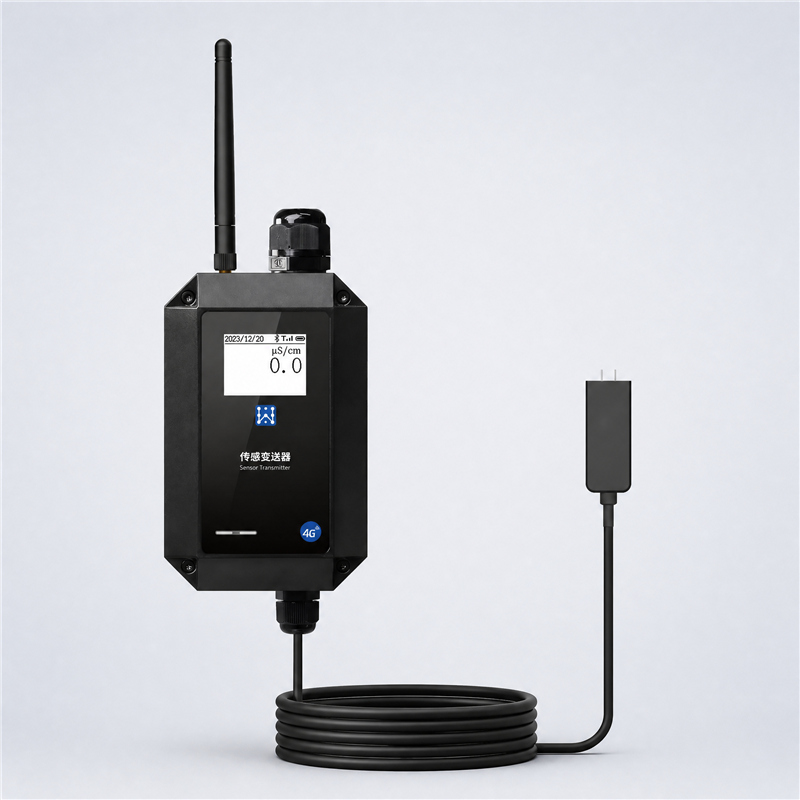
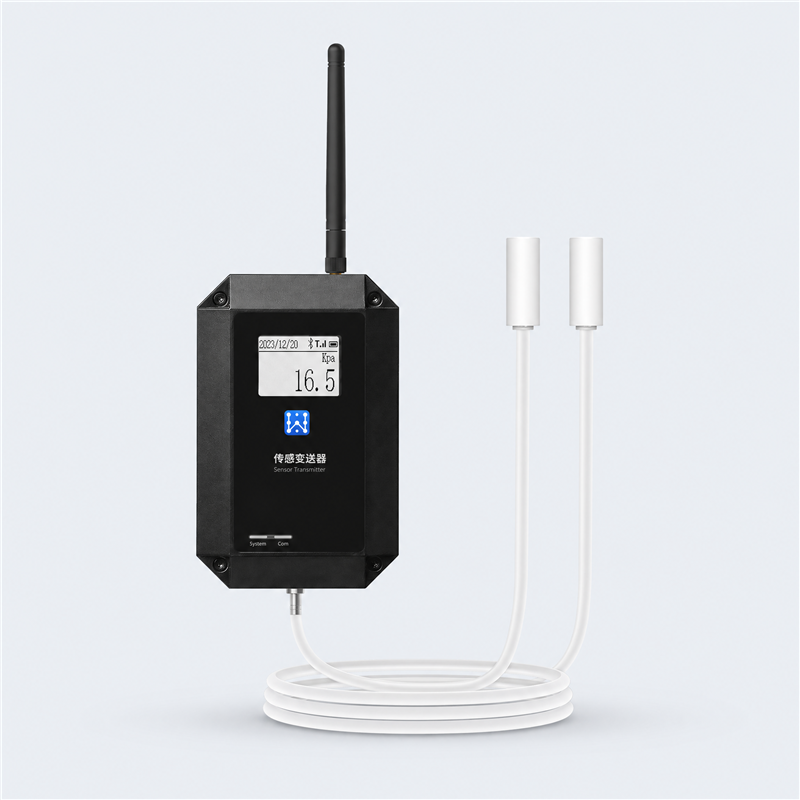
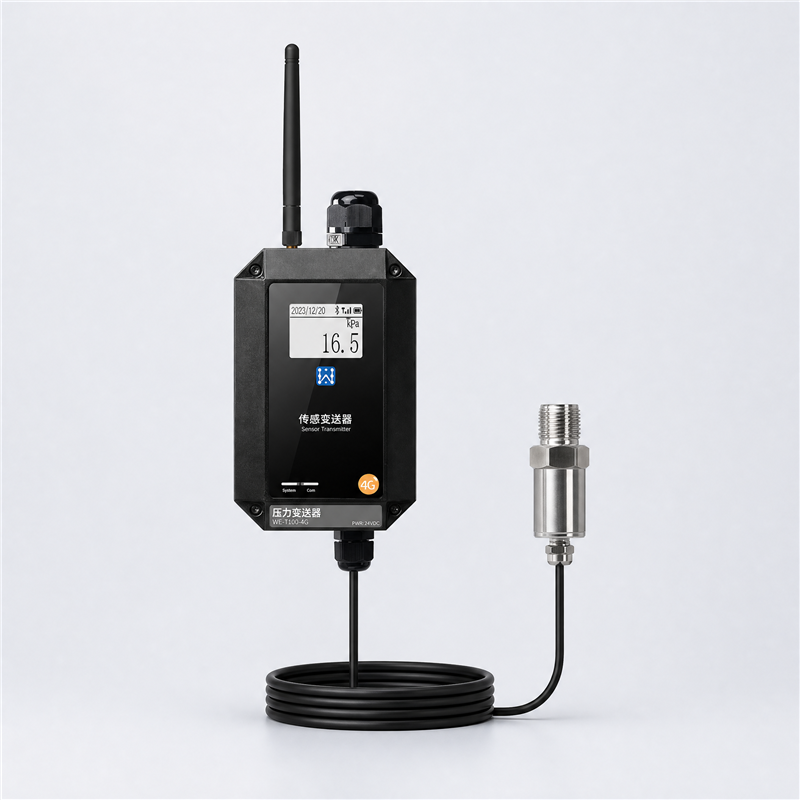
Each transmitter sits at its own tap on the loop. It samples conductivity, differential pressure or line pressure, then sends the reading over the WES-WIO wireless terminal protocol to the WE-X280 edge gateway. No new cabling is run to the control room.
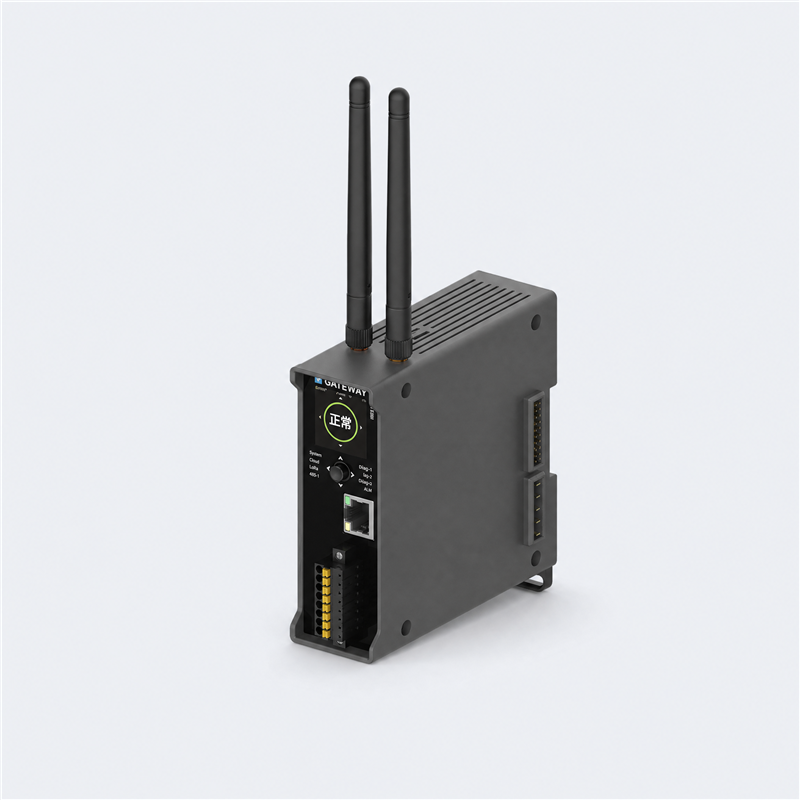
The gateway converges the LoRa nodes and any RS485 device, applies threshold and rate-of-change checks at the edge, and uplinks over 4G or Ethernet to the WES device management platform. Operators read the trend there; the platform sends SMS and email when a value crosses its limit.