



Wastewater Effluent Monitoring

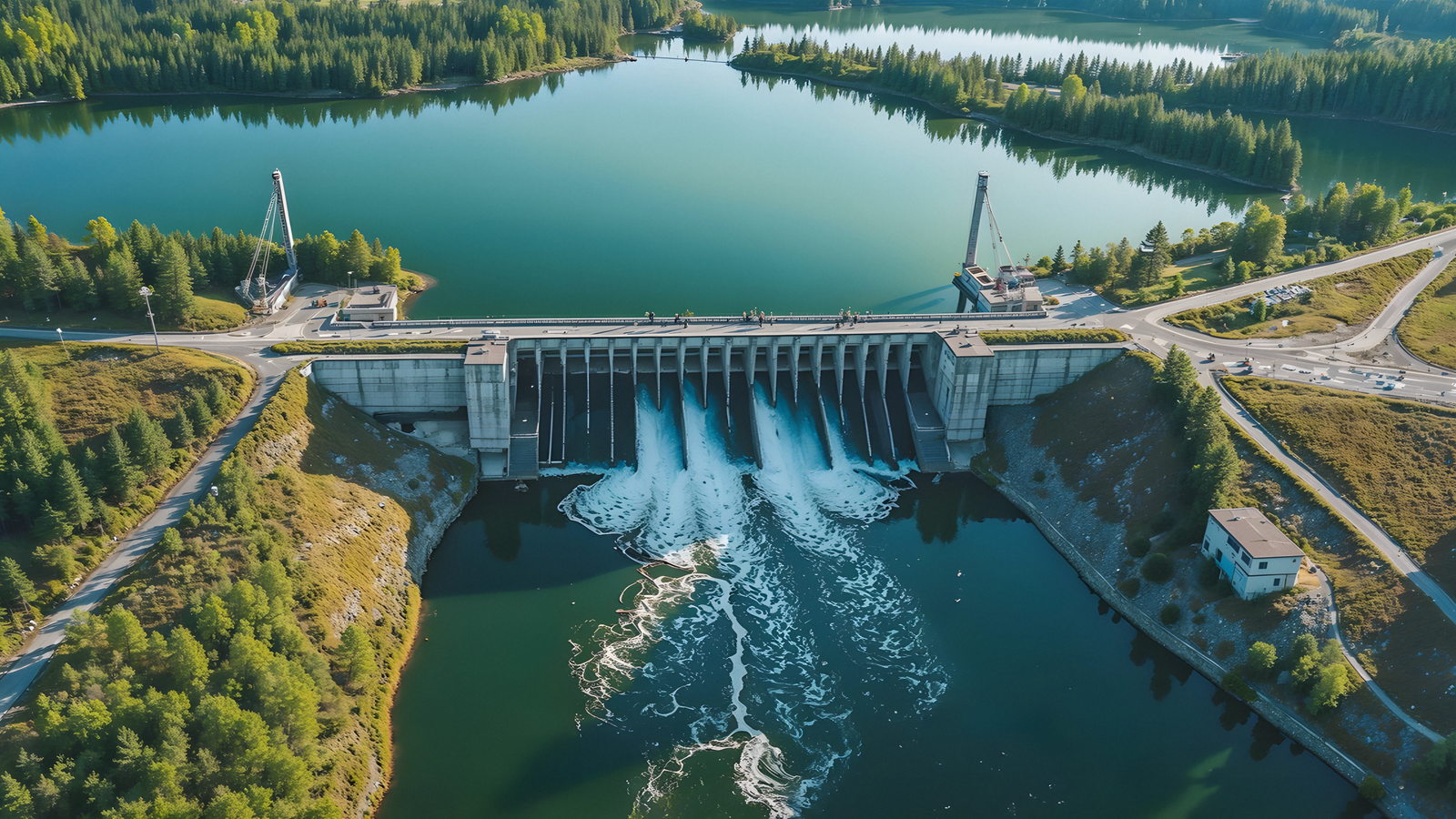
Conductivity, temperature and level at a wastewater effluent outfall. Continuous readings replace grab samples and give the operator a trend instead of a single point.

IndustryWater treatment
LocationSouth China
MeasuredConductivity · Temperature · Level
Instruments5 models on one network

Overview

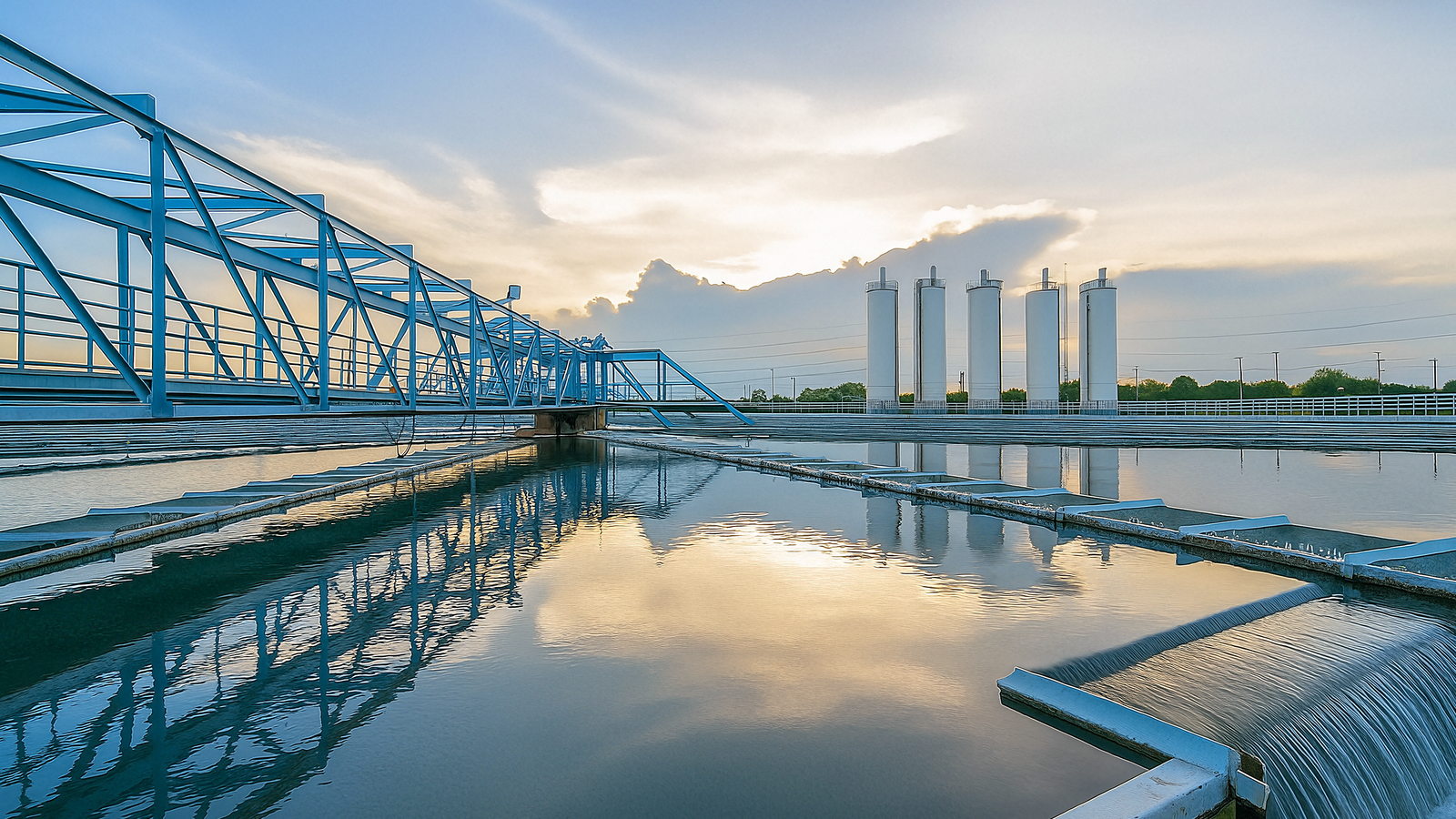
An effluent outfall in South China discharges to a receiving water body under a discharge permit. Compliance samples were taken by hand at set hours, and the result arrived at the office days later. Between samples the plant had no picture of the stream it was sending out.

The operator wanted a continuous record instead of isolated grab results. The stream had to be watched for sharp changes in dissolved salts and temperature, and the outfall level had to be seen when flow backed up. All of it needed to reach one place without a new control room.

Challenges

Compliance by grab sample

Samples were taken by hand at set hours and the result reached the office days later, so the plant had no picture of the stream between samples.

A single point is not a trend

An isolated result cannot show a sharp change in dissolved salts or temperature while it is developing.

Backed-up flow seen late

Outfall and wet-well levels were checked on site, so a restriction was found after the flow had already backed up.

Solution

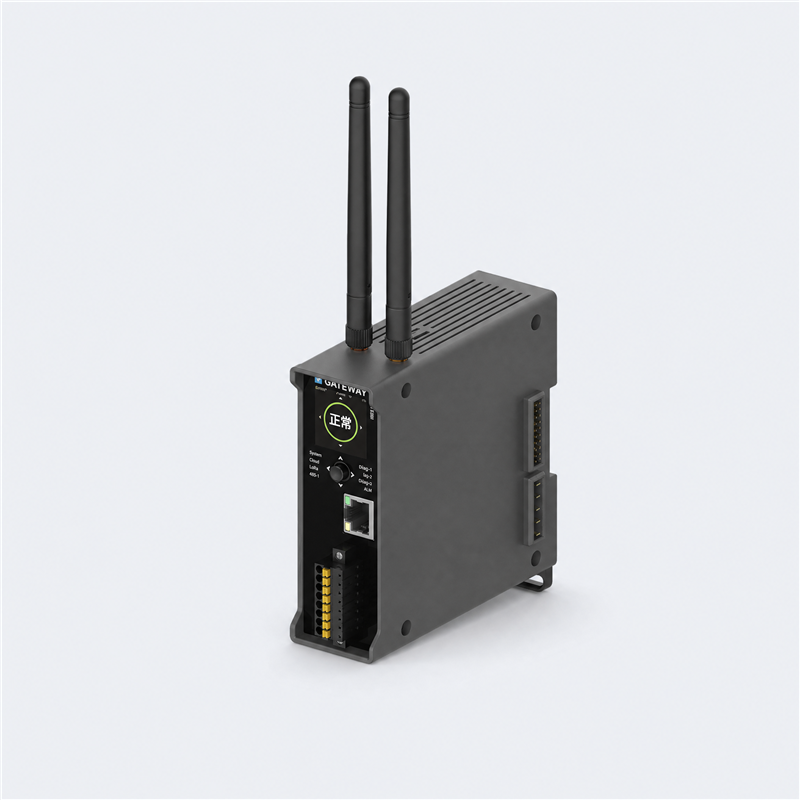
Each instrument reports over the WES-WIO wireless terminal protocol to the edge gateway. The gateway merges the wireless nodes with the wired ones already in the plant and holds the values if the uplink drops. From there the data reaches the WES device management platform.

On the platform, conductivity and temperature are plotted against the permit band and the outfall level is shown beside them. Any value that crosses its threshold, or moves abnormally, sends an SMS and an email to the operator on shift, so a problem is seen while it is still happening.
1

Measured points

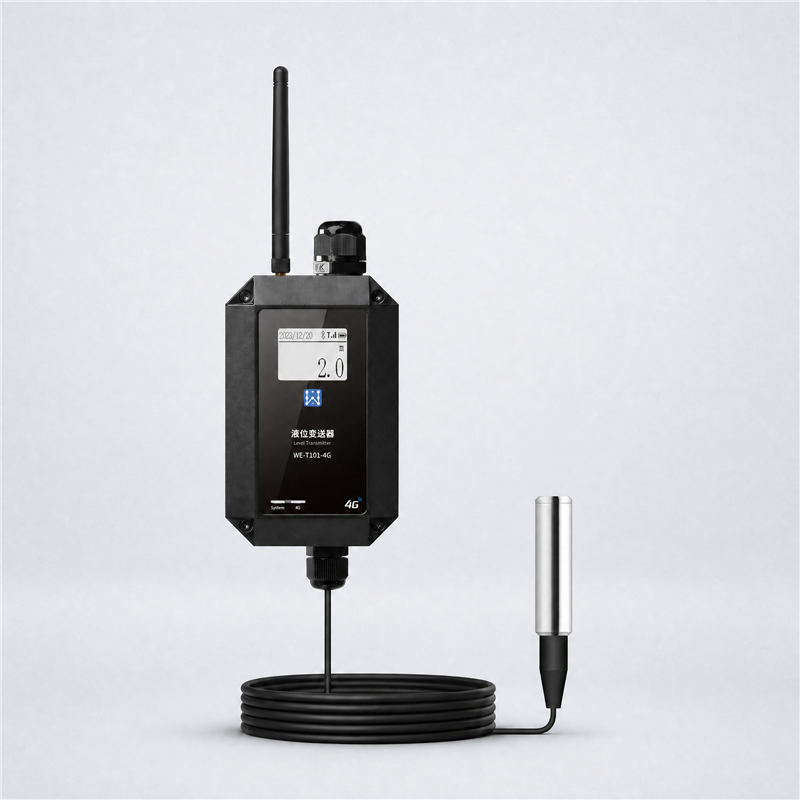
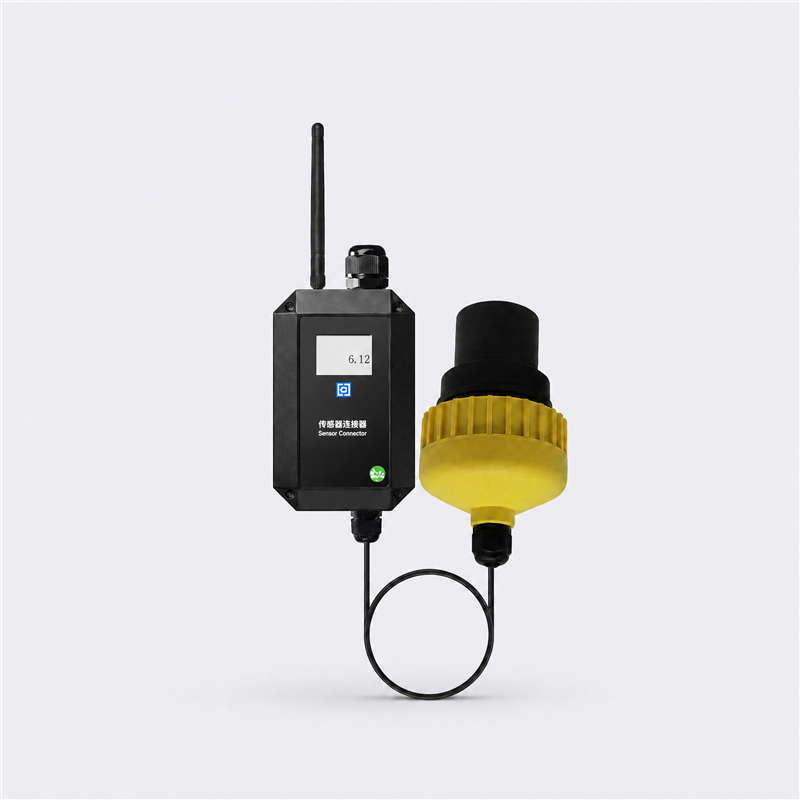
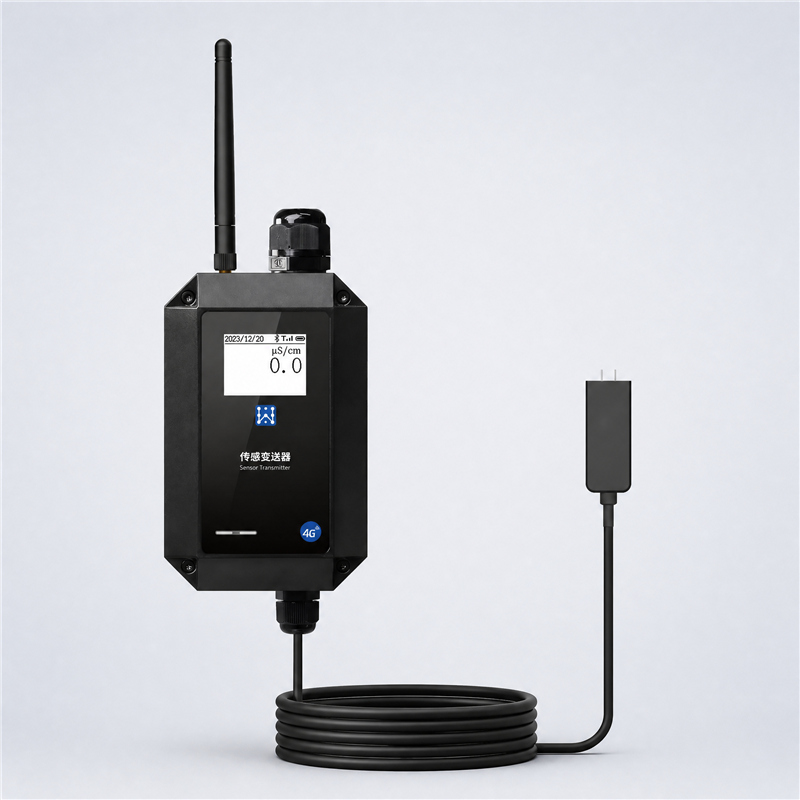
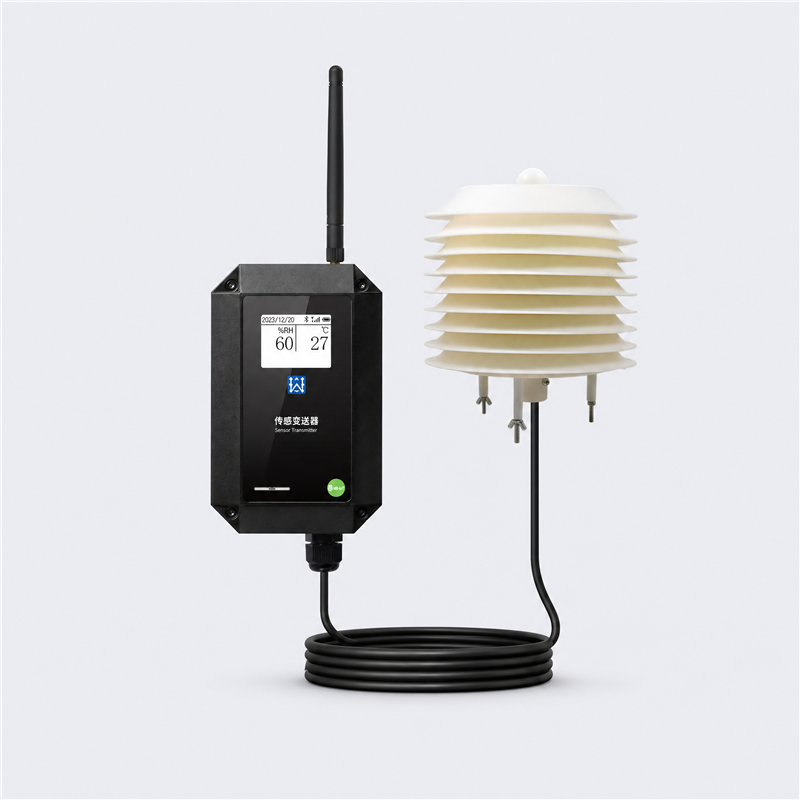
WE-T122 Effluent conductivityWE-T113 Stream temperatureWE-T101 Outfall levelWE-T160 Wet well level
2

Network and gateway

WE-X280WES-WIO wireless terminal protocolLoRa 410-490 MHz or RS4854G or Ethernet uplink
3

Platform and reporting

WES device management platformThreshold and abnormal-change alarmsSMS and email noticesTrend history and records
Reference topology: Wastewater Effluent MonitoringFour layers. Measuring points in the field; the edge gateway carrying LoRa, RS485 and the WES-WIO wireless terminal protocol; the WES device management platform; and alarm delivery by SMS and email.WES delivered systemREPORTINGAlarm deliveryThreshold, abnormal change and low batteryreach the duty engineer by SMS and emailRecordsReadings and events kept as one timelinefor review and reporting4G or Ethernet uplinkPLATFORMWES device management platformPer-point thresholds, reporting cycle and alarm rulesTrend view, device health and user managementWES-WIO wireless terminal protocolNETWORKEdge gateway and uplinkWE-X280LoRa and RS485 nodes converge hereOne uplink carries the site outwardWireless terminal linkWES-WIOEvery probe reports over WES-WIOWired devices join the same gatewayPOINTSEffluent conductivityWE-T122Threshold and abnormal-change detection raise afault without a manual review.Stream temperatureWE-T113External probe keeps the electronics out of thewet, corrosive stream.Outfall levelWE-T101Sealed body and antenna hold the link in a damp,open chamber.Wet well levelWE-T160Ultrasonic head measures without touching theliquid, so fouling matters less.

Results

Continuous recordEffluent readings stay on file, so the permit review works from history rather than single samples.
Earlier fault noticeThreshold and abnormal-change alarms reach the duty operator without a site visit.

Recommended Products

Next Step

Planning a deployment like this?

Send the permit band you report against and the points you sample today. We will map them to a continuous list.

Talk to an engineer